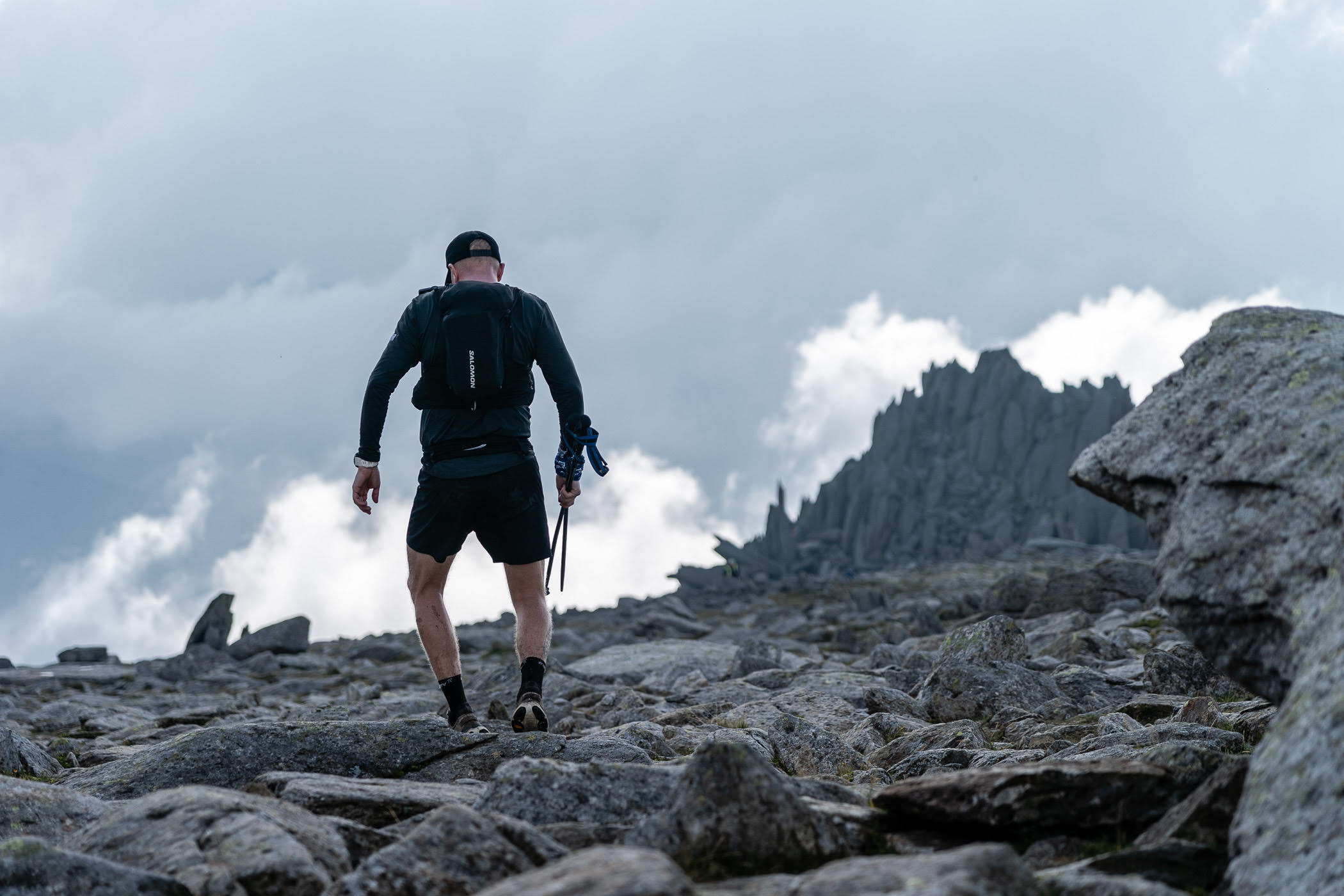

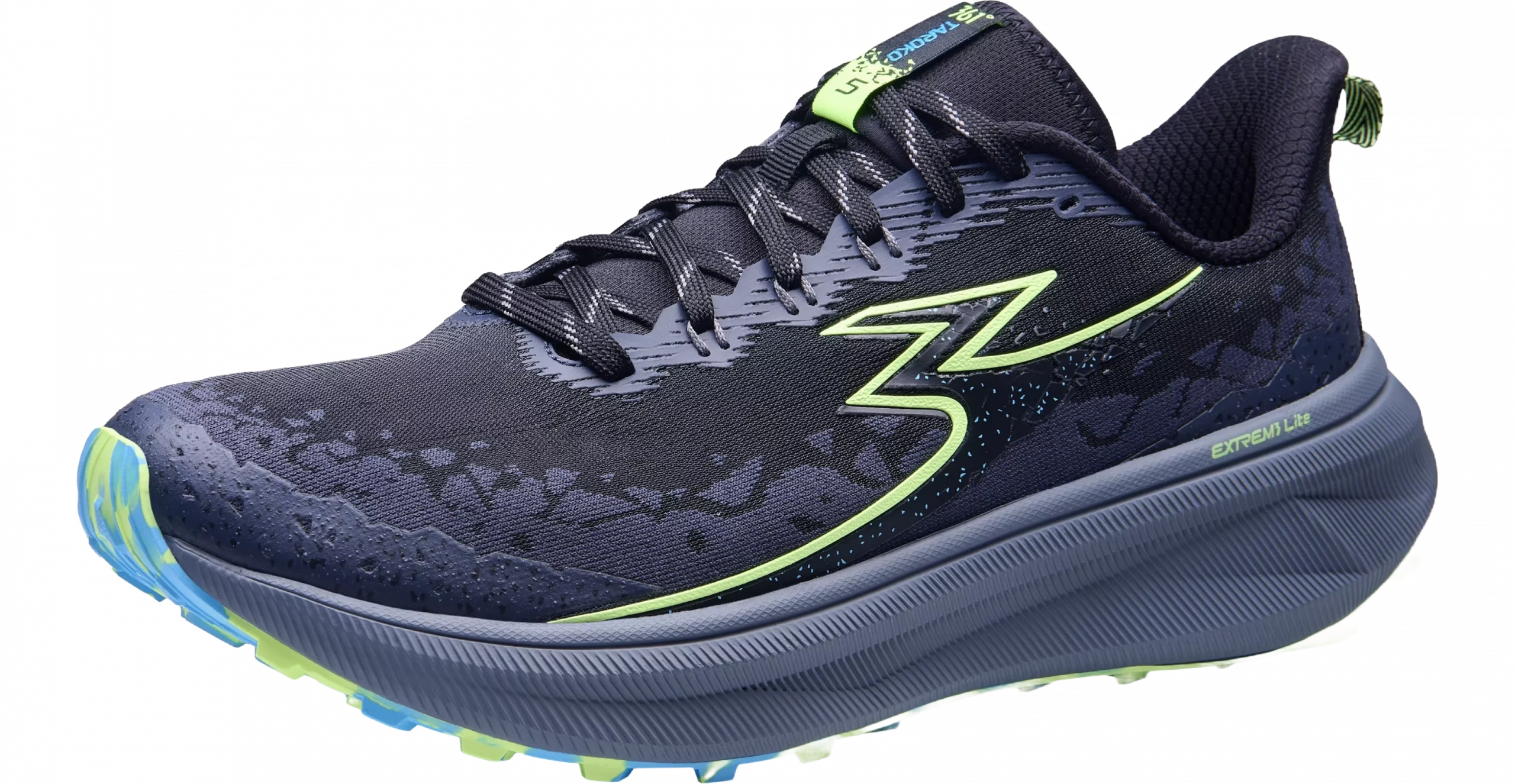
I’ve been running in the 361 Taroko 5 for the last few weeks on everything from muddy technical singletrack to tarmac and a couple of faster tempo efforts on the trails. It’s the kind of shoe that makes you rethink what “do-everything” trail shoes can actually do, comfortable and quietly capable. Here’s the full breakdown.
First impressions & fit
Out of the box the Taroko 5 feels nicely put together. The upper has a forgiving, slightly plush feel but still sits secure. It is relatively roomy through the forefoot, if you’re someone who likes a bit of wiggle room for swelling on long runs, you’ll like this. The heel sits locked without being aggressive.
Sizing – I went true to my normal trail shoe size, which is one size up, and found it accurate. If you’re between sizes or usually prefer extra toe room, consider sizing up, the toe box is not maximal but has enough room for long miles.
Upper & lockdown
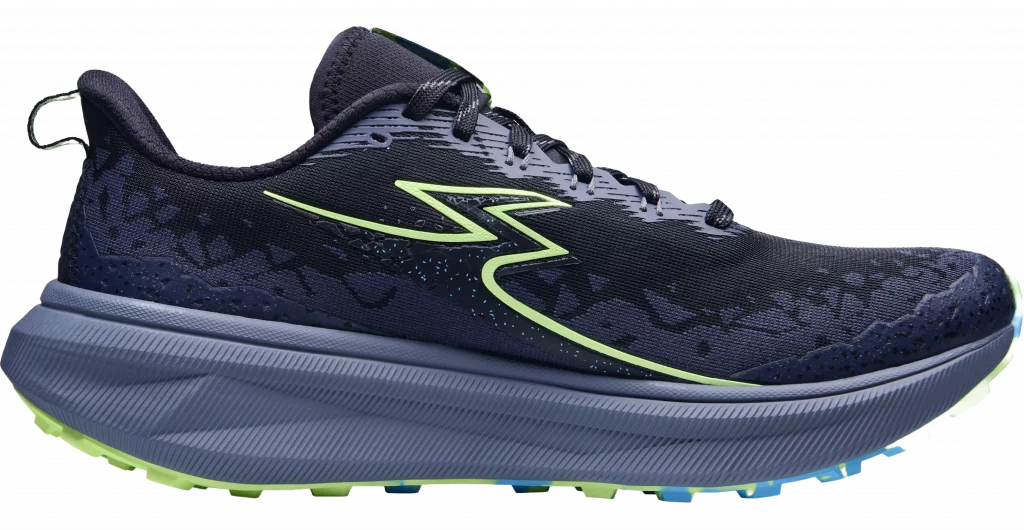
The upper mixes breathable mesh with structured overlays in the midfoot. It gives a comfortable sock-like feel while still preventing lateral movement. The tongue is decently padded, and the laces sit neatly in their sockets, no annoying flap or pressure points on longer efforts.
Pros: Comfortable from minute one, no hot spots on my runs, good protection against small debris.
Cons: The mesh will soak up water on wet trails (as most do), so it’s not the driest choice if you’re wading streams frequently.
Cushioning & midsole feel
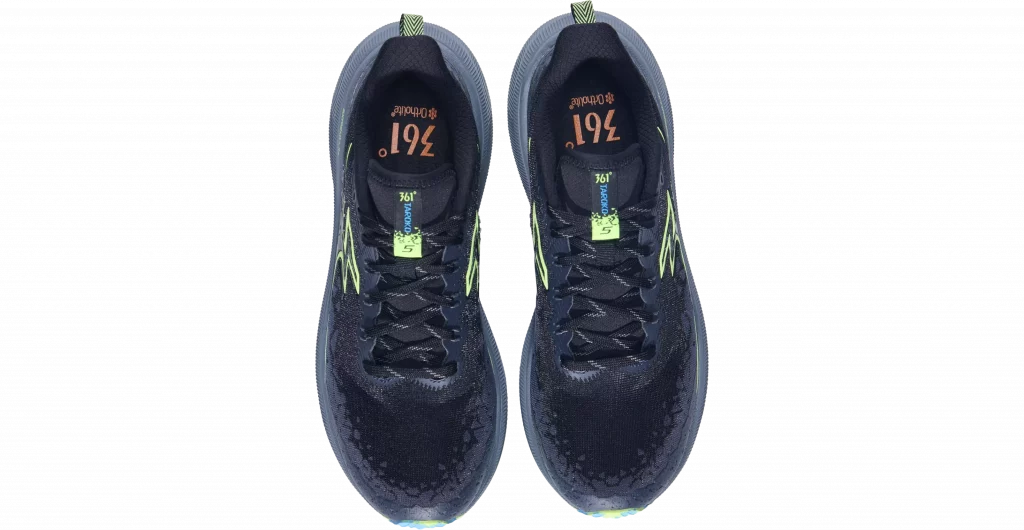
The Taroko 5 sits in that sweet spot of cushion, more plush than a minimalist racer but not mushy. It has a smooth, slightly springy midsole that absorbs repeated impacts without feeling disconnected from the trail. On hard trails and compact gravel it rides composed, on softer ground you feel the protection but still retain ground feedback.
It’s not a maximalist “floaty” ride, it’s responsive enough for short faster efforts and comfortable enough for long steady days. For me, it delivered confident miles without the constant need to monitor my foot strike.
Outsole & traction
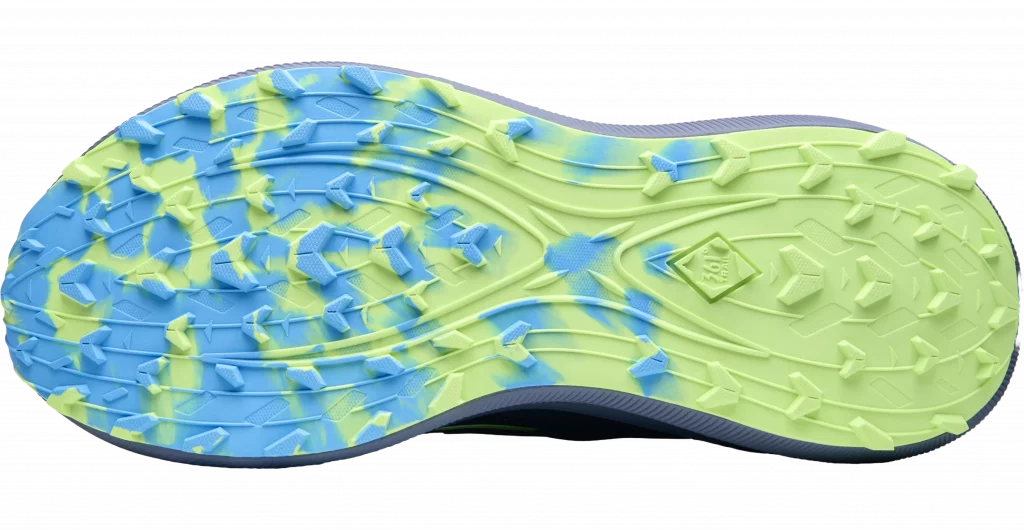
The lug pattern is well thought out, multidirectional lugs with adequate depth for UK trails and mixed conditions. I tested it on wet grass, muddy track and loose shale.
- Grip on wet roots/grass: Good. I felt secure leaning into turns.
- Loose rock & shale: Predictable, not miraculous, don’t expect the stickiness of a sticky-rubber rock shoe, but it won’t let you down.
- Mud: Decent; lugs don’t cling terribly, though in heavy clay the shoe can collect a little.
Overall, the Taroko 5 gives reliable traction for most mixed-terrain ultras and training runs.
Stability & protection
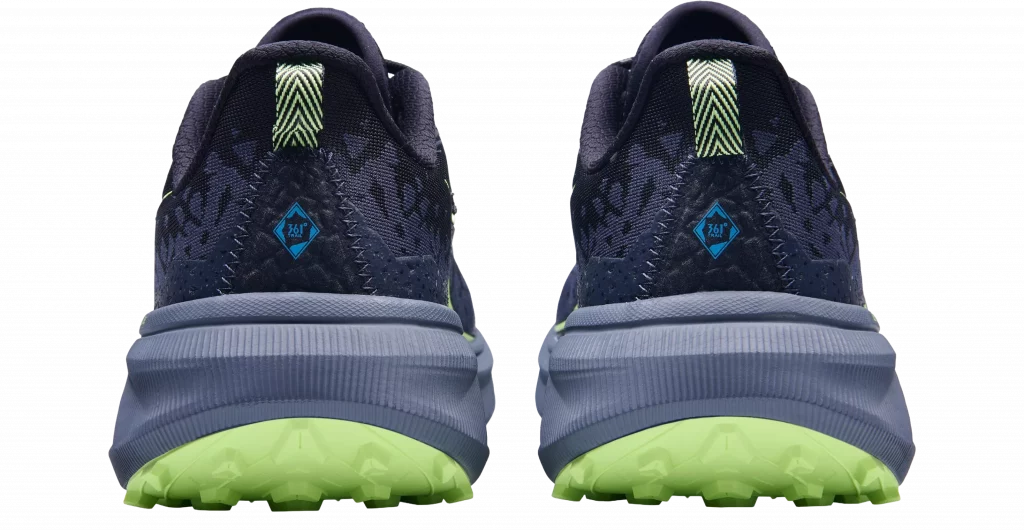
You get moderate protection and a stable platform. The shoe manages uneven ground well and doesn’t have the high-rolling sensation of a big rocker. I felt confident on longer downhills, enough protection underfoot to avoid constant foot jabs, yet the shoe stays nimble.
Durability
After repeated runs over varied terrain I expect the upper will show normal wear but no glaring failures or wear so far for me. The midsole compression is low, it hasn’t “gone flat” in my time with it. Outsole wear looks reasonable so far. For a shoe in this category, I’d expect good life for 600 miles or more depending on terrain and runner weight.
Where it shines
- Everyday long runs and long training days: Comfort + protection without heavy weight.
- Mixed terrain ultras / long trail days: Balanced cushion and traction means fewer shoe swaps.
- Runners who want a do-everything shoe: Tempo to easy pace, short climbs to technical descents.
Where it’s less ideal
- Technical, steep rocky descents where rock-specific sticky rubber matters — there are more specialised options.
- Runners seeking a very low-drop racer or a maximal cushion “cloud” shoe — this sits in the middle.
How it compares (brief)
- Versus lightweight trail racers: The Taroko 5 is more cushioned and forgiving; not as quick for race-pace downhill shredding.
- Versus maximalist Hoka-style shoes: Less float, more ground feel and agility.
- Versus other “do-everything” trail shoes (Salomon/Altra/Topo equivalents): It sits comfortably in the middle, often better value for its build and generally less flashy but very functional.
Practical tips from testing
- Socks: Mid-thickness, breathable socks worked best for blister prevention, thin socks made the roomy forefoot feel sloppy over long miles.
- Lacing: Use a standard heel-lock for sustained downhills; the shoe responds well to micro-adjustments.
- Wet conditions: If you expect stream crossings often, consider a faster-draining alternative, Taroko 5 soaks a bit but dries reasonably.
Pros & Cons (quick)
Pros
- Comfortable and secure upper.
- Balanced cushioning, responsive yet protective.
- Reliable traction on mixed terrain.
- Durable construction and solid value.
Cons
- Not the driest when very wet.
- Not the stickiest for extreme rock climbs/technical descents.
- Forefoot room could push some toward half-size up.
Who is the Taroko 5 for?
- The weekend ultra runner who wants one reliable shoe for long training days.
- Trail runners who like a balanced ride, not too soft, not too firm.
- Runners stepping up to longer distances who need protection and comfort without a big weight penalty.
Verdict & rating
After my test runs the 361 Taroko 5 earns a clear recommendation as a versatile, comfortable trail shoe that’s especially good for mixed-terrain long runs and training for ultras. It won’t replace niche technical or maximalist shoes in specialist roles, but as a dependable daily trainer and long-run companion, it’s a smart pick.
Ultradubz Rating: ★★★★☆ (4.0 / 5) – great balance of comfort, durability and traction. A solid “workhorse” trail shoe.
Leave a Reply