

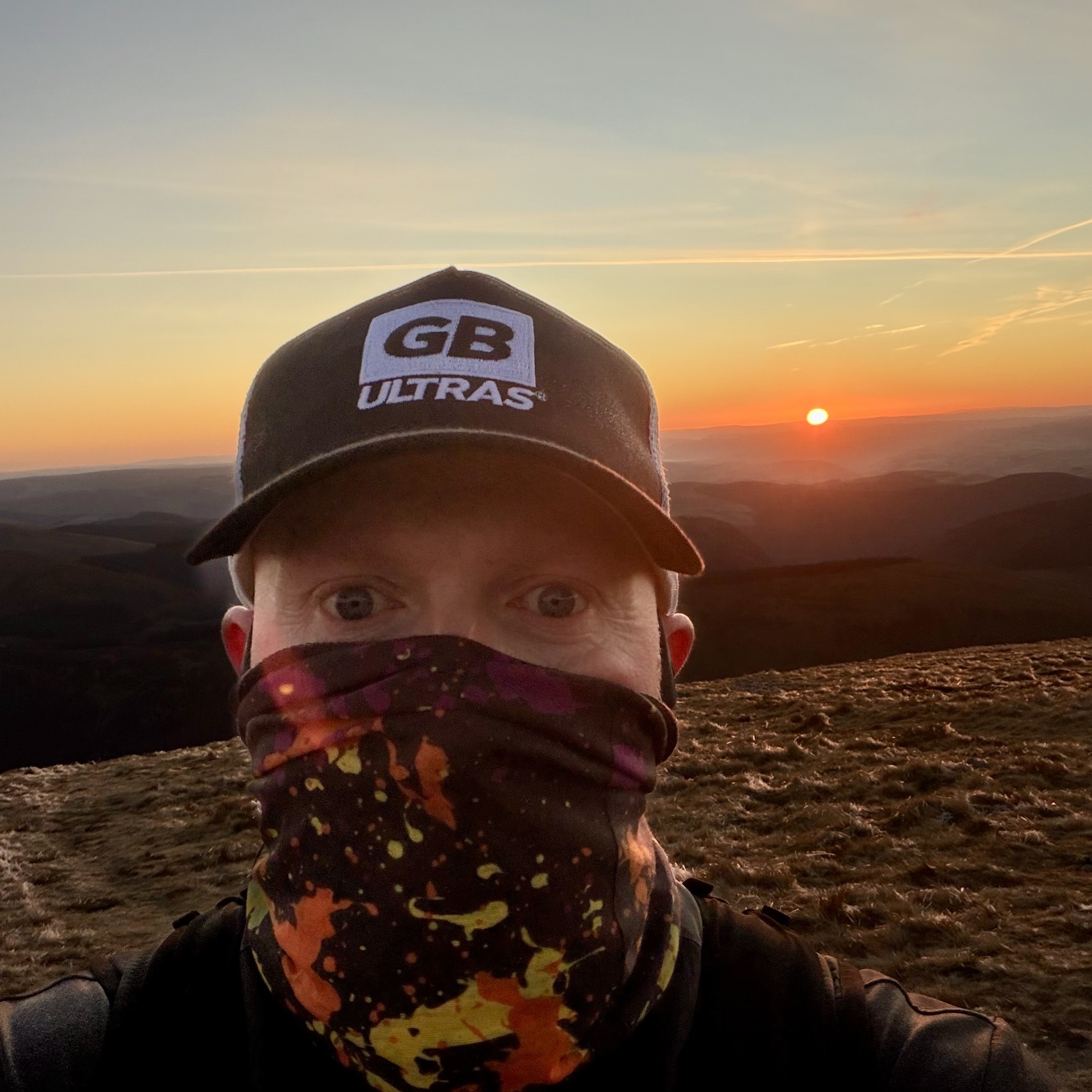
Ultrarunning quietly rewires your brain. At some point, things that would concern normal people start to feel… fine. Logical, even. Here’s a list of things that only ultra runners think are completely normal, and everyone else absolutely does not.
Paying to Suffer for 24+ Hours
Entry fee? Paid without a second thought, sometimes for events that last an entire weekend. What are you actually paying for? The privilege of spending a full day (or longer) on your feet, battling sleep deprivation, hallucinations, blisters, and whatever weather the universe throws at you. You’ll stand at the start line with a smile, knowing you’ve shelled out good money for a race where you’ll question your sanity, debate dropping out (multiple times), and have lengthy conversations with yourself or the local wildlife. The reward? A medal, maybe a t-shirt you may or may not wear, and memories of suffering that, bizarrely, you’ll happily sign up for again. For ultra-runners, this is all par for the course. Totally normal.
Being Excited About Aid Station Food
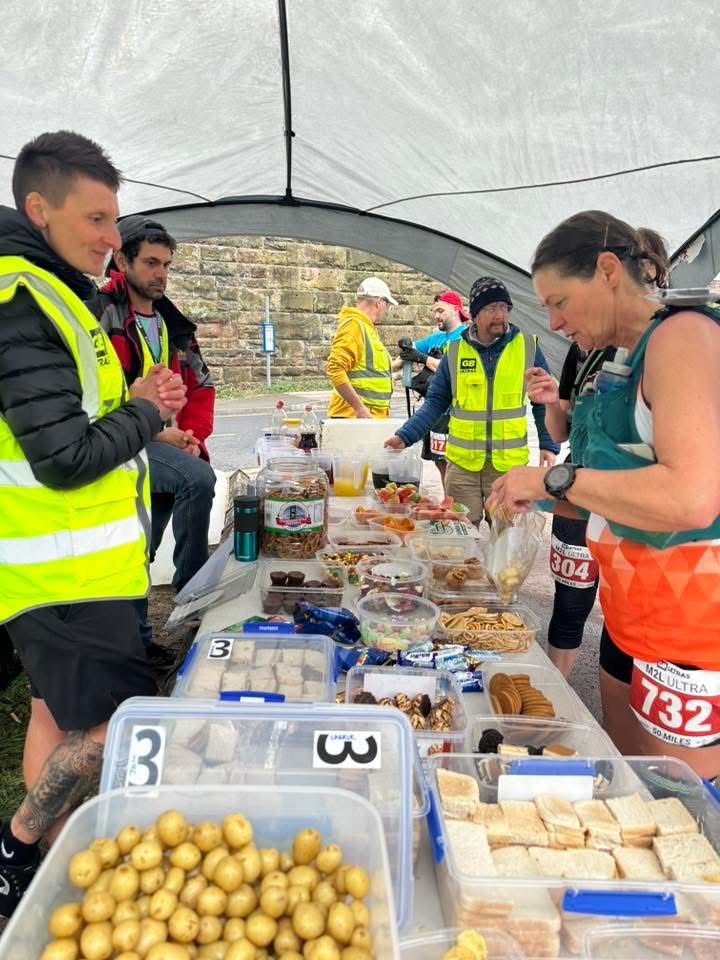
There’s a unique thrill that ultra-runners feel when approaching an aid station, no matter the hour. Cold potatoes, once unremarkable, suddenly taste like gourmet delicacies, especially when boiled in a bit of salt. Sandwiches, often curling at the edges and flirting with staleness after sitting out for hours, are devoured with the enthusiasm usually reserved for fine dining. At 3am, a handful of jelly babies or gummy bears from a communal bowl (already pawed through by dozens of equally desperate runners) becomes the fuel that keeps legs moving and spirits lifted. Hot soup in the dead of night, banana halves, crisps, or even a cup of lukewarm tea suddenly take on magical, restorative qualities.
Conversations at aid stations inevitably revolve around food. What’s on offer, what might be waiting at the next stop, and how many cups of flat coke one can reasonably consume before the sugar rush hits. For ultra-runners, these humble snacks are the stuff of legend, a true Michelin star experience after hours on the trail, and a highlight to look forward to again and again.
Calling a 50km training run the norm
“I’m just doing a 50km training run this weekend.” As you do! Within ultrarunning circles, uttering this statement is as casual as someone else mentioning a stroll in the park. Friends and colleagues outside the sport might react with disbelief, but for an ultra-runner, a 50km run is simply another box to tick on the training plan. There’s no need for a finish line, medals, or cheering crowds, just hours spent on foot, often before the sun’s up, through mud, rain, and whatever the elements have in store. It’s a chance to test out new kit, experiment with fuelling strategies, or simply enjoy the solitude of the trails. What others might consider a monumental effort is, for ultra-runners, just another Saturday or Sunday, followed by a well-earned cup of tea and a hearty meal.
Eating While Moving is a Life Skill
Ultra-runners treat eating on the move as a vital skill. Unwrapping snacks, chewing while climbing, and squeezing gels in mid-stride become second nature, often with rubbish tucked away in a sticky vest pocket. Finding food that’s easy to eat and won’t upset the stomach is key, and over time, clumsy fuelling turns into a seamless part of racing, providing both energy and comfort during long hours on the trail.
Thinking 4am Is a Reasonable Time to Start Running
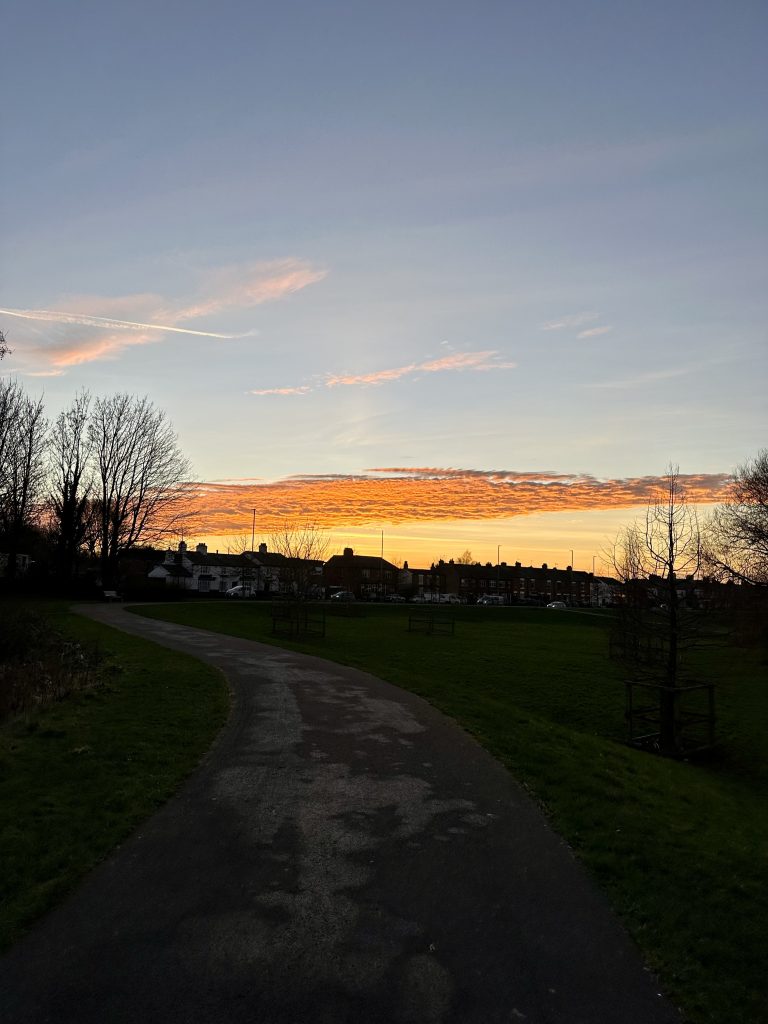
For ultra-runners, setting the alarm for 4am is just part of the lifestyle, because why not start your day with 30km on the legs before breakfast? While the rest of the world still sleeps, ultra-runners are out in the darkness, headtorch on and powered by caffeine. There’s a unique pride in finishing a long run before sunrise, earning not only a hot shower but also the right to judge anyone who complains about getting up for a “normal” 9am jog.
Accepting Chafing as a Fact of Life
For ultra-runners, chafing is simply part of the territory. Whether it’s the sting of salt from dried sweat in raw patches of skin, or the sight of bloodied lines where clothing has rubbed, it’s all par for the course. Taped nipples and strategically placed plasters become as essential as shoes and socks, and asking for anti-chafing cream or a giant tube of body glide as a Christmas present is not just normal but genuinely appreciated. Tales of painful chafing are swapped at aid stations without embarrassment or hesitation, no follow-up questions needed, just knowing nods from fellow runners who’ve all been there before.
Measuring Distance in “Hours Left”
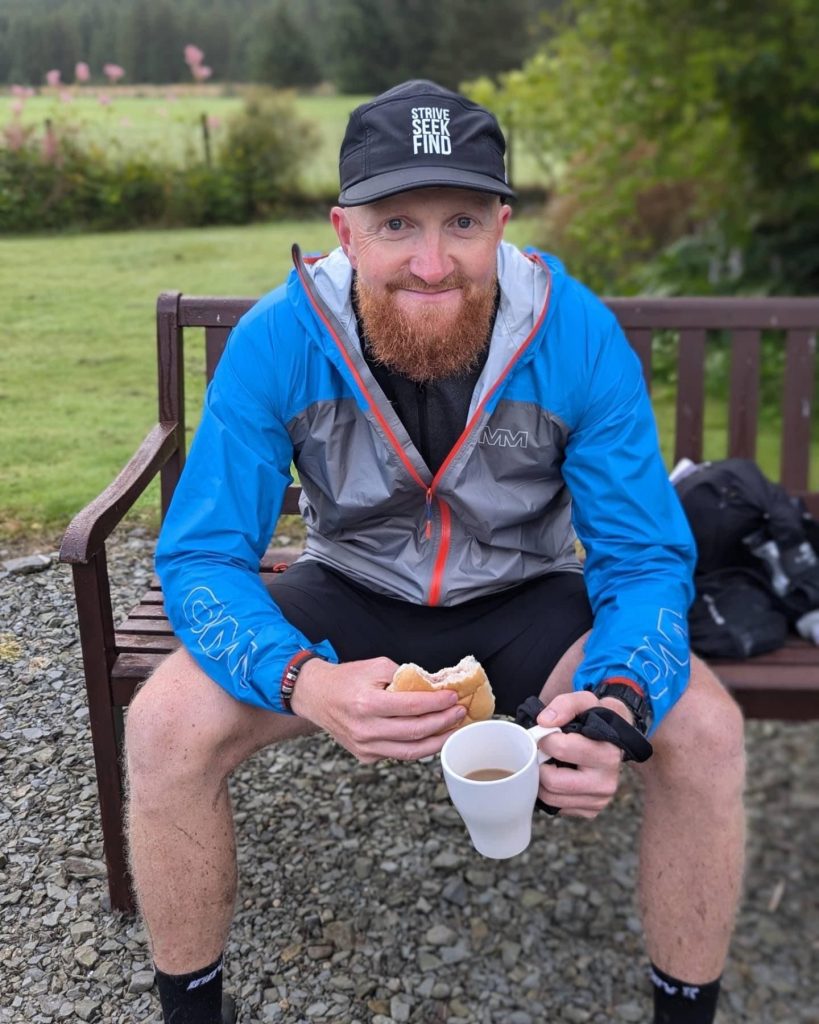
Among ultra-runners, distance isn’t discussed in kilometres or miles, but in time. Ask how far it is to the next checkpoint and you’ll rarely get a number; instead, the answer usually comes as, “About five hours from here, maybe four and a half if we pick up the pace on the runnable downhills.” It’s an oddly practical logic: with terrain so unpredictable and energy levels constantly shifting, judging progress by the clock feels far more accurate than attempting to calculate by distance alone. For ultra-runners, “How much further?” is really a question about how long they’ll need to keep moving, rather than how many miles remain on the trail. This way of thinking becomes second nature, a shorthand that’s instantly understood by anyone who’s spent long hours navigating the endless ups and downs of an ultra marathon.
Forgetting Pain the Moment You Finish
The instant you cross the finish line, every memory of blisters, aching muscles, and desperate thoughts of quitting seems to melt away. You might mutter, “I’m never putting myself through that again,” while gingerly peeling off your shoes and nursing your wounds. Yet, somehow, within a fortnight, you find yourself scrolling through race websites, reminiscing about the camaraderie and sense of achievement, and impulsively signing up for the next challenge.
Loving the People Who Hand You Food in the Dark
Aid station volunteers are far more than just friendly faces at a table, they’re the unsung heroes of every ultra marathon. When you stumble into a checkpoint in the middle of the night, exhausted, hungry, and maybe a bit delirious, these volunteers are there with encouraging words, a smile, and, most importantly, a plate of food or a cup of hot tea. They anticipate what you need before you ask. In that moment, they’re not just helpers, they’re lifelines, angels who appear out of the darkness, ready to patch you up, refuel you, and send you back on your way. Their kindness and support can mean the difference between giving up and pushing through to the finish.
No Strava Shame Whatsoever
There’s something liberating about finishing your run and not caring one bit that your watch says 19.86km instead of a neat, round 20km. You happily upload it to Strava, unbothered by the “almost there” distance or the lack of a perfectly rounded number. For ultra-runners, the obsession with symmetry or hitting a milestone exactly fades into insignificance. Proudly sharing those quirky, off-numbered runs becomes a quiet rebellion against the tyranny of round figures and artificial targets. There’s no shame here, just the satisfaction of another run in the bank.
Nature is True Luxury When It Comes to Sleep
There’s a peculiar kind of comfort that comes with curling up on the forest floor for a nap in the small hours of the morning. At 2am, exhaustion makes the earth feel like the softest mattress, and a patch of moss or pine needles becomes as inviting as any feather bed. Backpack used for a pillow, and a jacket becomes a makeshift duvet. To an ultra-runner this outdoor spot feels like five-star luxury.
Ultrarunning doesn’t just change how far you can run. It changes what feels normal. And honestly? That’s kind of the point.