
A breakdown of exactly what fuelled my Yellow Belly Backyard Ultra win, and what I learned from it.
When I crossed the line at Yellow Belly after 21 yards and 88 miles, one of the first things people asked wasn’t about pacing, or kit, or the cold. It was: what did you eat?
Honestly, it’s the right question. You can have the legs, the mindset, and the perfect strategy, but get your nutrition wrong and none of it matters. An ultra marathon is basically a very long eating and drinking problem with some running attached.
So here it is. No sugar-coating (well, actually quite a lot of sugar). Everything I consumed across nearly 22 hours of racing, yard by yard, what I was thinking, and what I’d do again.
First, Some Context
Backyard Ultras are a unique beast when it comes to fuelling. Unlike a point-to-point race where you hit pre-planned aid stations and move on, a BYU gives you a window at the end of every 4.167-mile loop, sometimes 15 minutes, sometimes closer to 20, to eat, drink, change, and reset. That changes your nutrition strategy completely.
You’re not cramming a gel in at mile 30 and hoping for the best. You’re almost running a miniature race camp every hour. That’s both a gift and a trap, because the temptation to overeat or eat the wrong things is very real when you’re standing next to a table full of food twelve times over a weekend.
My approach was simple: eat something every yard, no exceptions. Even when I didn’t feel like it. Especially when I didn’t feel like it.
The Full Fuel Log
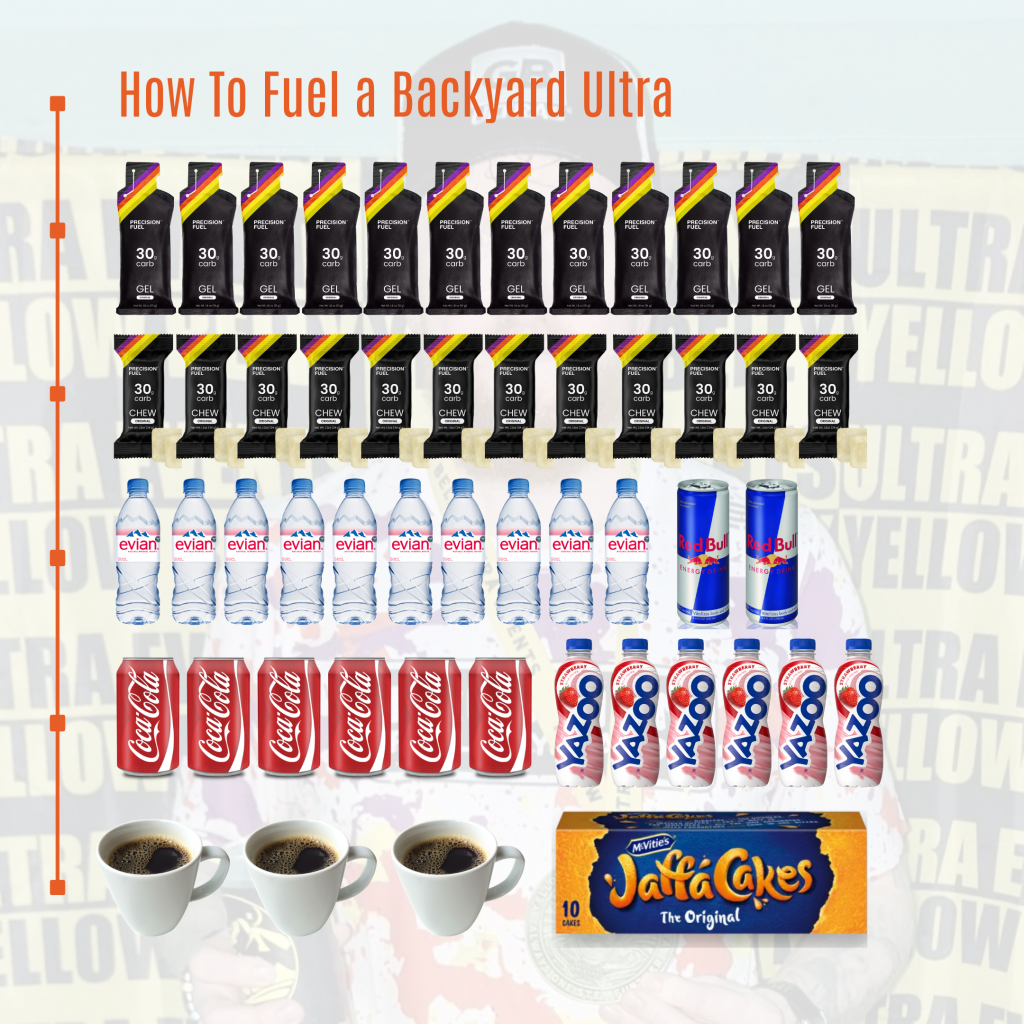
Let’s get into it. Over the course of 21 yards and around 22 hours, here’s exactly what went in:
- 2 litres of Coca-Cola
- 5 litres of water
- 3 litres of Yazoo milkshake
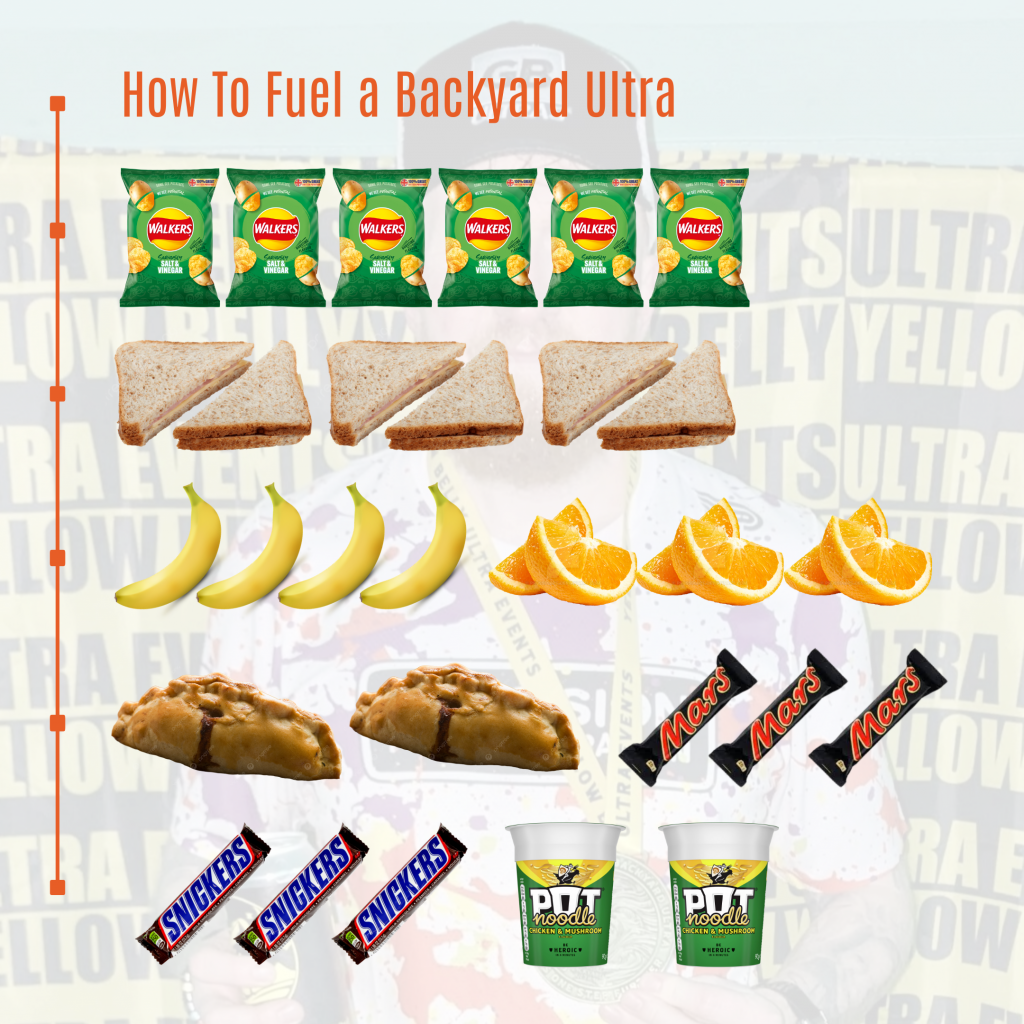
- 3 cheese sandwiches
- 2 pasties
- 4 bananas
- 3 oranges
- 2 Red Bull
- 6 bags of crisps
- 3 Snickers bars
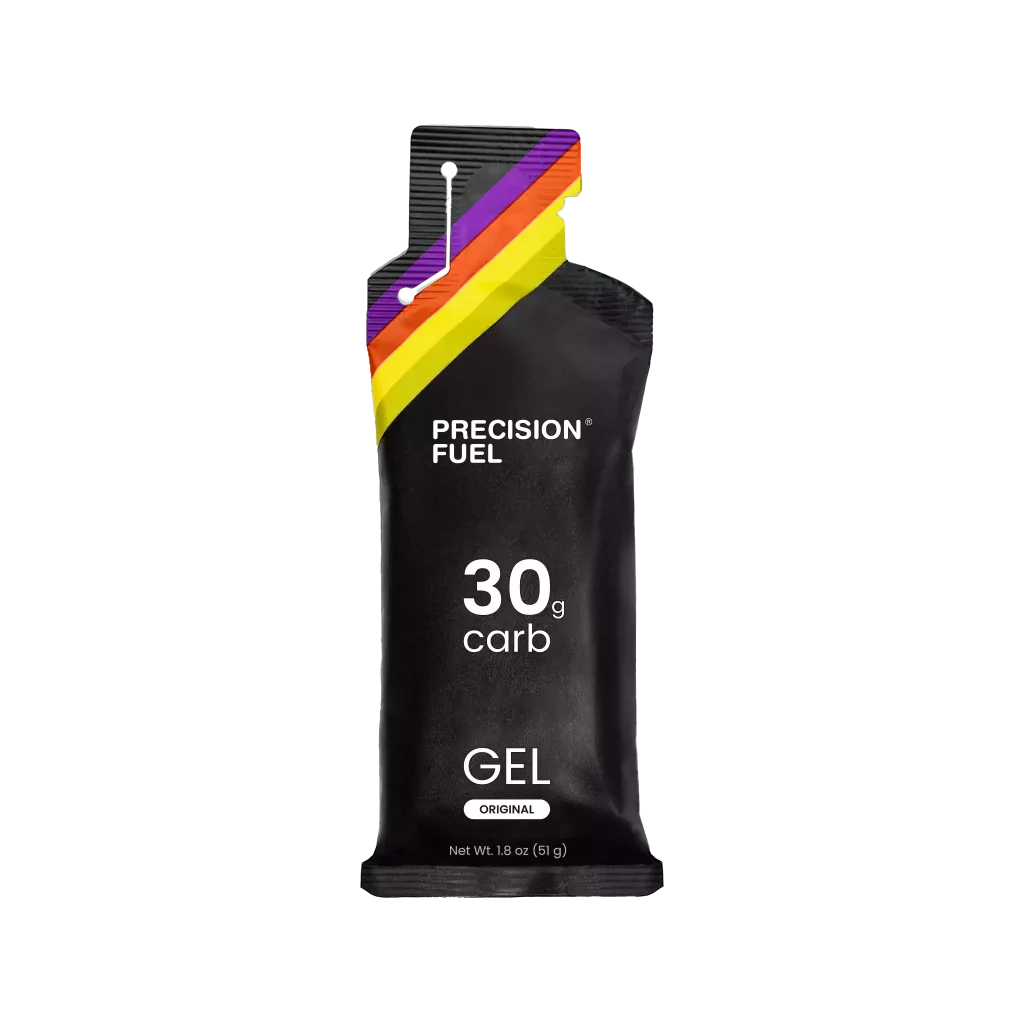
- 12 Precision Fuel & Hydration gels
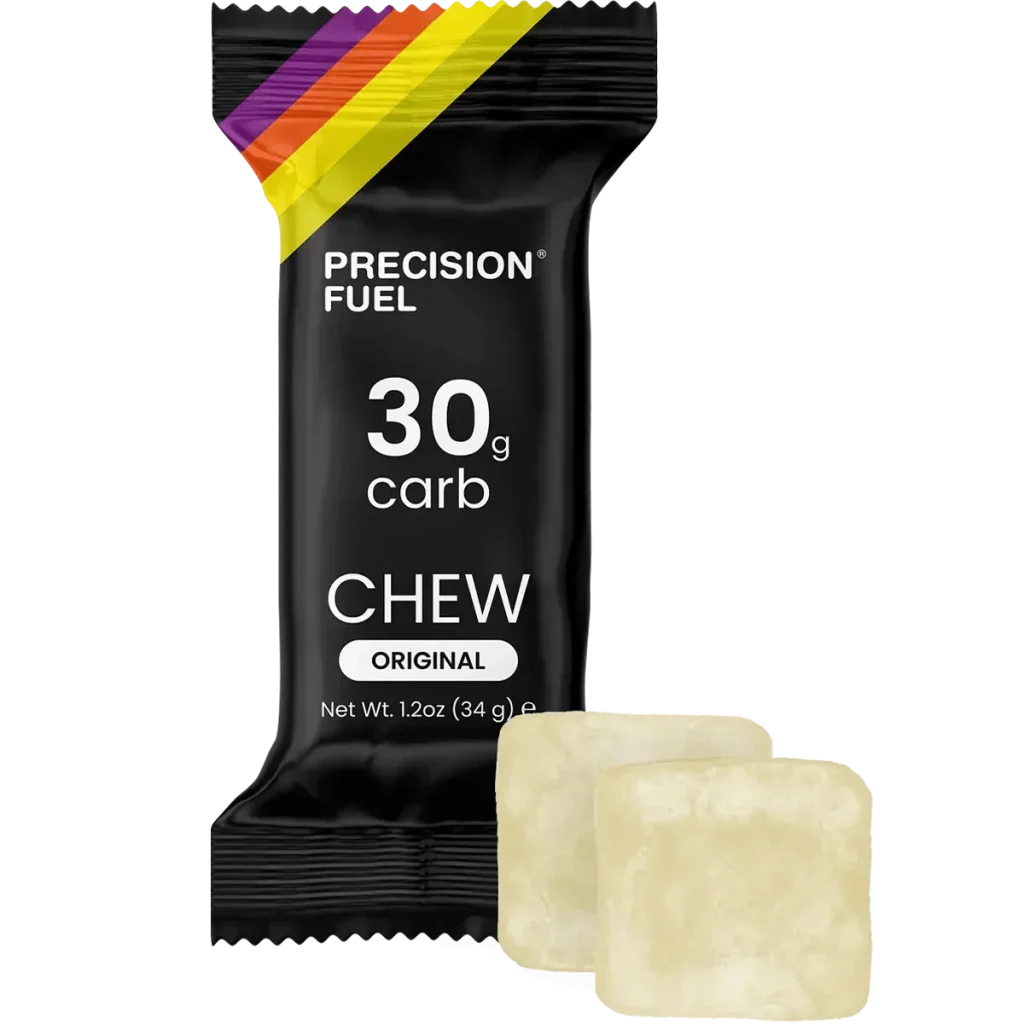
- 12 Precision Fuel & Hydration chews
- 3 Mars bars
- Jaffa cakes (lost count, let’s say a lot)
- 1 pot noodle
I’ll be honest, written down like that, it looks chaotic. It’s not a dietitian’s dream. But it worked. And there’s method behind every single item on that list.
The Hydration Strategy: More Than Just Water
Five litres of water across 22 hours might sound like a lot, or not enough, depending on your experience level. For me, in March conditions with cold air and manageable temperatures, it sat right. I wasn’t sweating heavily in the early yards, so I didn’t need to force it. But I never let myself get behind.
The Yazoo milkshake was deliberate, and it was one of my best calls of the race.
Three litres of it. Yes, really. And I’d do it again without hesitation.
Yazoo is calorie-dense, easy to get down quickly, and your stomach handles it better than you’d think during low-intensity movement. It gave me fat, protein, sugar, and fluid all in one hit. Between yards, when I needed something that would sit comfortably rather than slosh around, it was perfect. Chocolate flavour, if you’re wondering. There’s a reason endurance athletes have been using liquid calories forever, your gut can often process them far better than solid food when you’re tired and your digestive system is running at a fraction of normal capacity.
Coca-Cola is almost a rite of passage in ultrarunning. Two litres across the race gave me caffeine, sugar, and, I’ll say it, morale. There’s something about a cold Coke at 2am that feels like the universe has decided to be kind to you for about thirty seconds. I timed it strategically, leaning on it more in the later yards when the fatigue was real and I needed a mental and physical lift.
The two Red Bulls were my precision tools. I didn’t scatter them across the race. One around yard 11 when temperatures dropped and the race entered proper darkness, and one deep into the night when I needed my mind sharp more than my legs. I’ve made the mistake before of using caffeine too early, burning through its effect long before the race is done. Save it. Use it with intent.
The Real Food: Why Sandwiches and Pasties Will Never Let You Down
There’s a temptation in ultra nutrition to over-complicate things. Fancy gels, specific ratios, timing spreadsheets. And while there’s a place for all of that, let me tell you, nothing, nothing hits like a proper cheese sandwich at midnight after sixteen hours of running.
I had three cheese sandwiches across the race, one every five or six yards roughly, timed with my kit resets. Real bread. Proper cheddar. No frills. The combination of simple carbs from the bread, salt, and fat from the cheese is genuinely one of the most practical ultra foods there is. Easy to eat, easy to prepare in advance, and your body knows exactly what to do with it.
The two pasties came in the mid-section of the race. Slightly heavier, which is why I avoided them too early or too late. In the middle hours, yards 10 to 14, your energy demands are high, your gut is still functioning well, and you need something with a bit more substance. A pasty delivers that. Pastry, potato, protein. It’s Cornish endurance fuel. I’m not even sorry.
Would I eat a pasty at yard 19? Probably not. But at yard 11? Absolutely perfect.
Fruit: The Unsung Hero of Every Backyard Ultra
Four bananas, three oranges. Simple. Effective. Underrated.
Bananas were my between-yard staples in the first half of the race. Easy to eat quickly, natural sugars that release at a sensible rate, and they sit well in the stomach. I always keep them at room temperature so they’re not harsh on the gut in the cold.
The oranges came into their own later in the race. Segments, not whole fruit, easy to eat on the move or quickly at camp. The sharpness of the citrus genuinely woke me up in a way that’s hard to explain. When you’ve been running through the night and everything starts to feel slightly blurred and samey, biting into a cold orange segment is a small reset button for your senses. I look forward to them in a way that probably says a lot about the mental state you reach after 50+ miles.
The Snacks: Crisps, Snickers, Mars, and Jaffa Cakes
This is where non-runners raise an eyebrow. Six bags of crisps? Three Snickers? Three Mars bars?
Yes. And I’d do it again.
Crisps serve a very specific purpose in ultra nutrition, salt. After hours of sweating, even in cold conditions, your sodium levels drop and the effects are real: cramping, nausea, low energy. Crisps are essentially a portable salt delivery system in a form that also tastes brilliant. I had a bag every few yards from around yard 6 onwards, sometimes two. Salt and Vinegar, if you want specifics. No messing about.
Snickers and Mars bars are calorie bombs in the best possible way. Fat, sugar, protein, and something resembling normal food. They’re psychologically comforting as much as they are physically useful. At hour 14 of a race, familiarity matters. Your brain is looking for cues that everything is okay, that this is sustainable, that you can keep going. Eating a Snickers in the dark at 1am and thinking “this is quite nice actually” is a small but meaningful signal to send yourself.
Jaffa cakes are an ultra runner’s secret weapon and I’ll defend that statement to anyone. Light, not too sweet, easy to eat multiple in quick succession, and they don’t create that heavy feeling that some snacks do. I ate them freely across most of the race. I stopped counting. That’s probably the correct approach with Jaffa cakes.
The Precision Fuel & Hydration Products: When and Why
I’m on the Precision Fuel & Hydration team for 2026, and I want to be straightforward with you: I use their products because they work, not the other way around.
The 12 gels were my running fuel, consumed mainly on the move, not at camp. Roughly one every other yard, sometimes supplemented by real food in the earlier ones. They’re designed for use during activity and the formulation means they don’t cause the gut issues that some gels do. After 70+ miles your digestive system is not running at full capacity. The last thing you want is to be dealing with GI problems on a rural loop at 3am. PF&H gels have never given me that problem.
The 12 chews were my between-activity option, something to work through during the walk sections of each yard or in the early minutes at camp. Slower release, easier on the stomach than a gel taken all at once, and they gave me something to do with my mouth during the quieter stretches of the night, which sounds minor but genuinely helps with focus.
Twelve of each across 21 yards means I wasn’t relying on them exclusively, they sat alongside real food rather than replacing it. That’s intentional. Real food for the rest windows, performance nutrition for the movement. That balance worked very well.
The Pot Noodle
Yes. One pot noodle. Around yard 15 or 16, somewhere deep in the coldest part of the night.
I’m going to be honest, it was extraordinary. Hot liquid, salt, carbs, and something that vaguely resembles a proper meal. The volunteers had boiling water and I had a pot noodle in my supplies because I’ve done enough night races to know exactly what 2am hunger feels like. It’s not like daytime hunger. It’s deeper, stranger, and sometimes only something hot and savoury will answer it.
There is no nutrition facts I can point you to on pot noodles and ultramarathon performance. I don’t need one. It was magnificent.
What I Got Right
Looking back, a few things I’m really happy with:
I never went more than one yard without eating something. Even yards where I felt completely fine and wasn’t hungry, I still ate. You’re not eating for now in a BYU, you’re eating for two yards from now, three yards from now. By the time you feel hungry, you’re already behind. I balanced performance nutrition with real food. The gels and chews did the job during yards. Real food, sandwiches, fruit, milkshake, did the recovery and reset work between them. They complemented each other rather than competing.
I used liquid calories intelligently. Yazoo, Coke, and Red Bull weren’t random choices. Each served a different purpose at a different point in the race. Liquid calories in a backyard ultra are underused. Your gut processes them faster and more reliably than solids when fatigue sets in.
I didn’t experiment. Everything on that list is something I’ve eaten during training or previous races. A backyard ultra is not the time to try something new. Your gut under race stress is unpredictable enough without throwing unfamiliar food at it.
What I’d Tweak
If I’m being completely honest, I think I could have taken on slightly more protein in the middle section of the race. The cheese sandwiches and Snickers gave me some, but a small portion of something like chicken or a proper protein source around the halfway point might have aided muscle recovery between yards.
I also could have been more consistent with the PF&H chews in yards 1 to 8. I used more of them in the second half of the race than the first, which is the right instinct, but getting them in earlier as a habit rather than a rescue measure would be the tweak for next time.
The One Rule That Ties It All Together
If there’s one thing I’d want any ultra runner to take from this, it’s this:
Eat before you need to. Drink before you’re thirsty.
In a backyard ultra especially, but in any long event, nutrition isn’t reactive. By the time your body tells you it needs fuel, it’s already running behind. The runners who bonk, who fade, who lose hours at aid stations looking pale and confused, almost all of them got behind on calories or fluids somewhere in the middle of the race when everything felt fine and they thought they could coast.
There’s no coasting in an ultra. You’re either staying ahead of the problem or catching up to it.
Eat every yard. Drink every yard. Mix real food with performance nutrition. Don’t be embarrassed by the pot noodle.
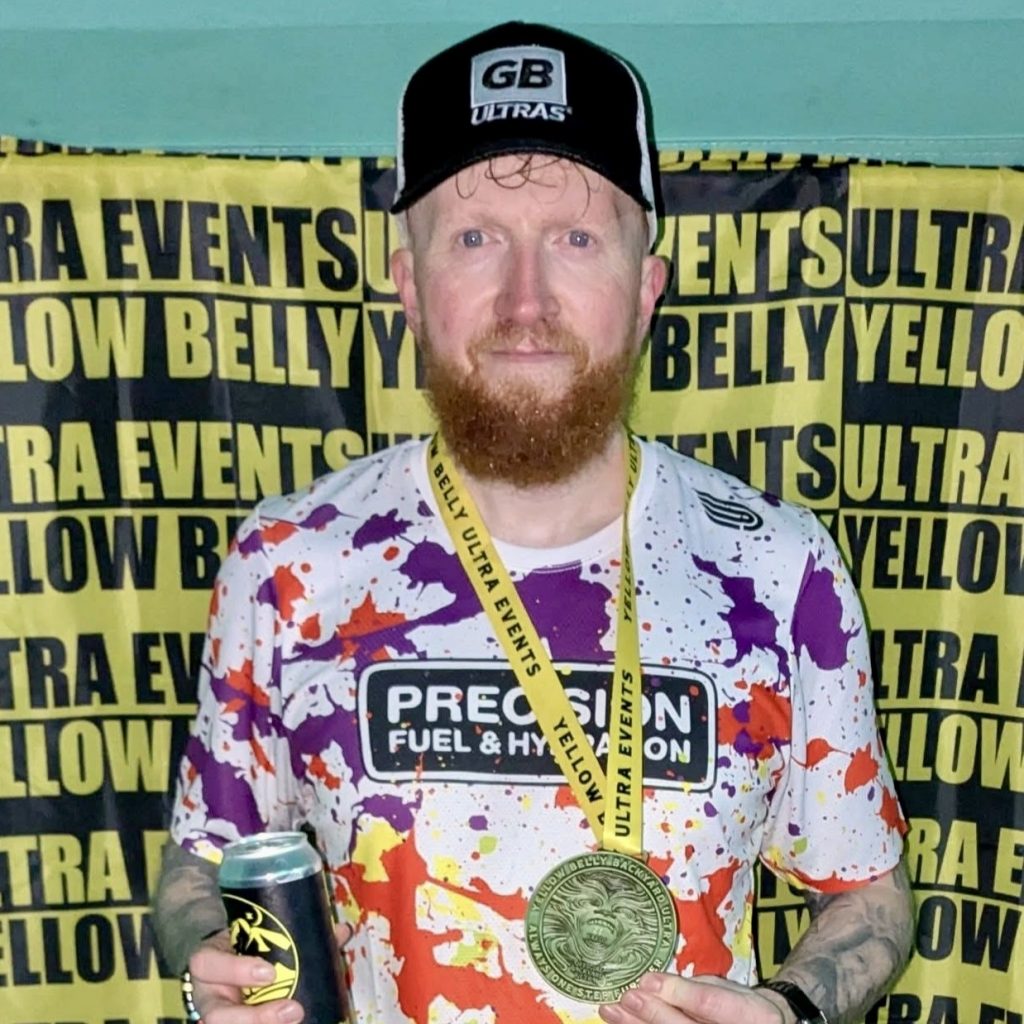
It got me to 88 miles and a win. I’ll take it.
Running with the Precision Fuel & Hydration team in 2026. If you want to explore their products, check them out at precisionhydration.com. Next race is already in the calendar. More miles, more learning, more Jaffa cakes.
One response to “Nutrition Lessons from 88 Miles: What I Ate, What Worked, and What Surprised Me”
[…] first race win at the Yellow Belly Backyard Ultra. A new PB at the Chester 100. Back-to-back strong results to open […]