

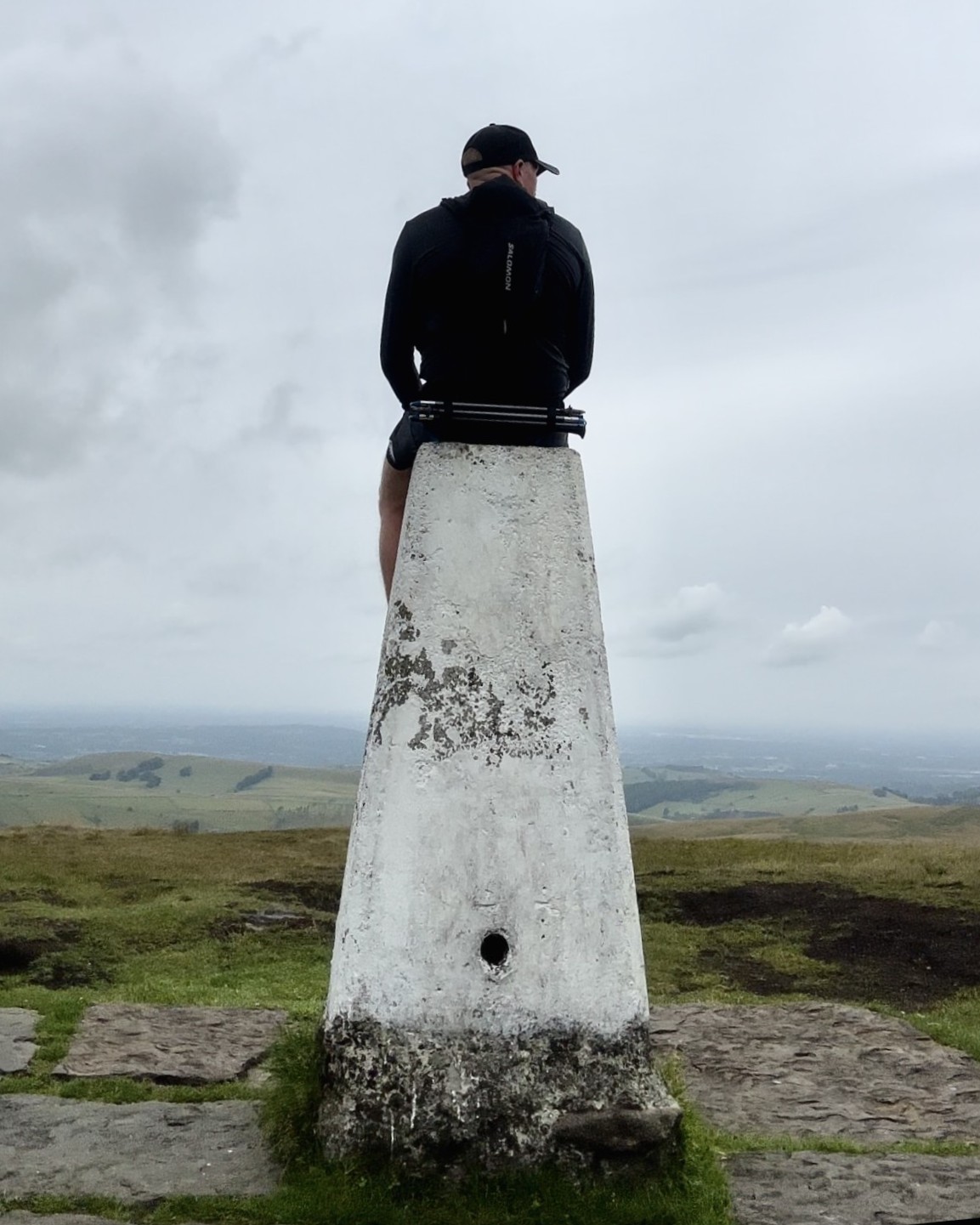
This weekend, the UTS 100k by UTMB takes place. And I won’t be on the start line.
That decision hasn’t been easy to make. Or easy to admit.
Last year, UTS was my first ever DNF in an ultramarathon. And if you’ve never experienced one, let me tell you, it lands differently to any other race outcome. It’s not a bad race. It’s not a missed target. It’s a full stop in the middle of a sentence that you weren’t ready for.
I promised myself I’d go back. I promised I’d face it again. I promised Redemption. And I meant every word of it.
But here’s the thing about keeping promises to yourself, the most honest version of that promise isn’t always the one that looks best on paper. Sometimes, keeping faith with yourself means making the call nobody wants to make.
I’m not ready. Not this year.
To be completely honest with you. The challenge scares me in the way that only the things that truly matter can scare you. I know what’s out there on that course. I know what it costs. And I know, honestly know, that I’m not where I need to be to do it the justice it deserves. To stand on that start line and give everything I have and know it’s enough.
So, I’m stepping back. Not stepping away.
There’s a difference, and it matters.
Because here’s what I’ve come to understand about a DNF, and about the season that’s followed mine.
A DNF isn’t the end. Sometimes, it’s exactly where everything begins.

What a DNF Actually Teaches You
There’s a running joke in the ultra-community that DNF stands for “Did Nothing Fatal.” I’ve said it myself. It’s a good line.
But when you’re sitting in the back of a car, race number still pinned to your shorts, watching other runners still moving on through the checkpoint you’ve just dropped out at, that joke doesn’t quite land the same way.
A DNF hurts. And it should.
Not because you failed. But because it means you cared enough to push until something, your body, your mind, or the circumstances, forced a stop. Nobody DNFs a race they didn’t give everything to.
But once the initial hurting fades? The lessons start to surface. And they’re worth listening to.
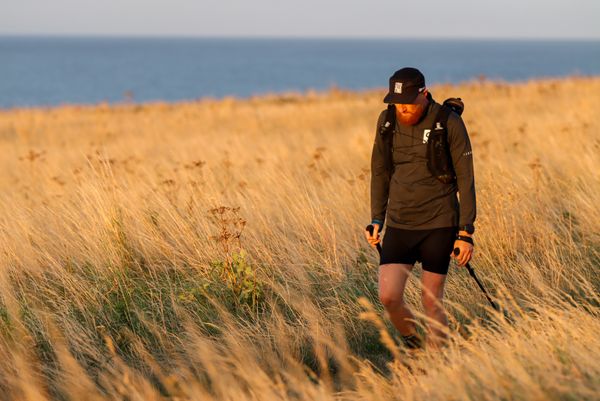
Lesson 1: Your Body Is Always Honest. Even When You’re Not Ready to Listen
My DNF at UTS last year was my body telling me something before I did. Whether it was the terrain, the heat, the elevation, the pacing, or the cumulative load I’d arrived with, something wasn’t right, and the race exposed it.
We spend a lot of time in training convincing ourselves we’re ready. Strava numbers, long run distances, the feeling in our legs on a good day. But race day doesn’t negotiate with optimism. It asks questions, and your body answers truthfully, whether you like it or not.
What I learned from UTS. I needed to be better prepared. Not just fitter. Smarter. More prepared for the specific demands of that course and that distance in those conditions.
That lesson stuck with me all winter.

Lesson 2: A DNF Resets Your Ego in the Best Way
There’s a version of ultra running that becomes about identity. The medal or buckle. The race T-shirt. The Strava post. The feeling of being “someone who does ultras.”
A DNF strips all of that back.
When you don’t finish, you can’t hide behind the result. You have to sit with the uncomfortable truth of where you actually are versus where you thought you were.
And I needed that reset.
It made me train with more purpose. Question things I’d taken for granted. It made me less arrogant about what a 100k or 100-mile race would take from me, and more respectful of the distance. More respectful of the conditions. More respectful of the environment.
The best athletes aren’t the ones who’ve never been humbled. They’re the ones who’ve been humbled and used it.
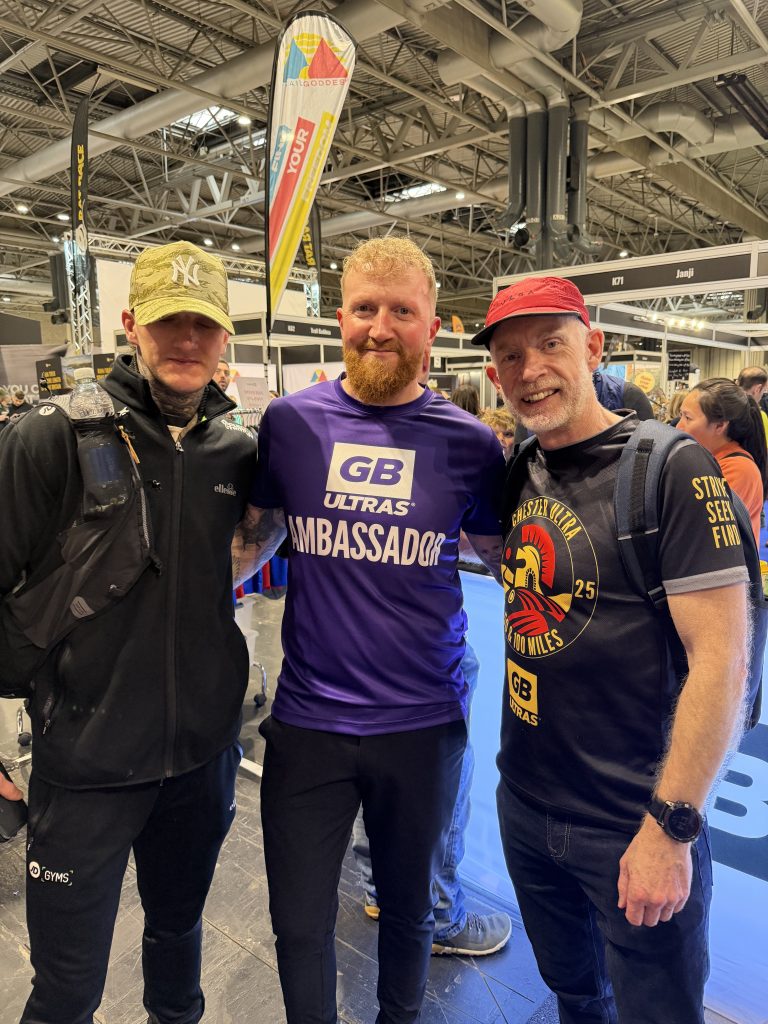
Lesson 3: You Find Out Who You Are When You Stop
This one surprised me.
At first, the DNF made me question whether I belonged in this sport. But after a day or two, it had the opposite effect. The moment I was made to stop, and it was one of the hardest decisions I’ve had to deal with, I realised how much I actually wanted to keep going.
That want doesn’t disappear when you DNF. It amplifies.
Within hours of being medically pulled from the race, I knew I was coming back. That desire didn’t leave me. If anything, it was stronger. And that told me everything I needed to know about how much this means to me.
You don’t learn what you’re made of when everything goes to plan. You learn it when it doesn’t.

Lesson 4: The Process Matters More Than the Result
My mantra has always been “focus on the process and the outcome will be inevitable.”
After last year’s DNF, I understood that on a much deeper level.
I went back to basics. Looked at my training structure, my nutrition, my recovery, my race execution. Not with the goal of punishing myself for what went wrong, but with the genuine curiosity of someone who wanted to understand and improve.
And this season has started to reflect that work.
My first race win at the Yellow Belly Backyard Ultra. A new PB at the Chester 100. Back-to-back strong results to open 2026.
Not because I got lucky. Because I went back to the process, respected it, and let the outcomes follow.

Lesson 5: The DNF Gives You a Reason
Motivation is a funny thing in endurance sport. For most of us, it’s easy when training is going well, when the sun is out, when the legs feel good.
The DNF gave me something more durable than motivation.
It gave me a reason.
Every hard session this winter, every early alarm, every time the conditions were grim and the easy option was to skip it, I thought about my DNF. About my unfinished business. About crossing that finish line instead of removing my tracker mid race.
That’s not healthy obsession. That’s purpose.
And purpose lasts longer than motivation ever will.
Knowing When You’re Not Ready Is a Lesson Too
The UTS 100k is not an easy race. The best in the world race it every year. The terrain is relentless. The elevation is brutal. The Snowdonia National Park doesn’t soften its edges for anyone. I’ve already seen what it looks like when it decides you’re done.
And the emotional stakes around going back are real. The redemption arc. The comeback. The promise I made to myself. All that weight was sitting on this weekend.
But I’ve learned, partly from the DNF itself, that showing up unprepared isn’t bravery. It’s just ego with good intentions.
Physically, I’m ready to go back. But being ready isn’t just a physical thing. To take on a race like UTS, to truly go back and face what stopped you before, you need to be all in. Mentally. Physically. Completely. And right now, honestly, I’m not there.
That’s not defeat. That’s self-awareness. And I’d argue it’s one of the harder things to practice in ultra running, where the culture often rewards suffering through doubt rather than listening to it.
The race will be there. And I’ll be back there when I’m ready.
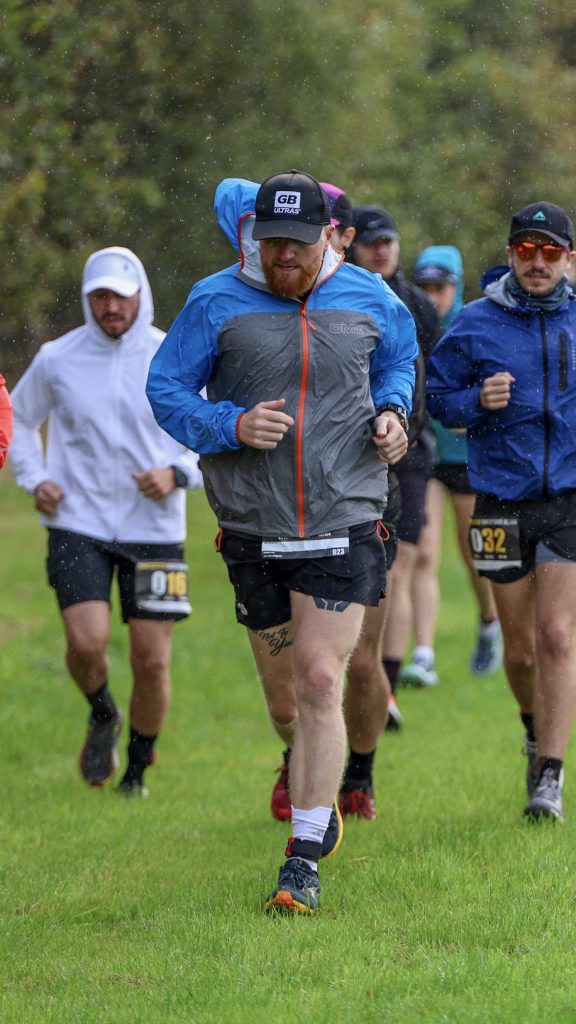
The Redemption Is Still Coming
This season has already shown me what the work looks like.
A win at the Yellow Belly Backyard Ultra. A new PB at the Chester 100. Two races, two results that showed me the process has been right. That the lessons from UTS landed and stuck.
But UTS is a different challenge entirely. And it deserves a version of me that’s truly prepared for it.
When I go back to that start line, and I will, it won’t be because the calendar told me to. It’ll be because I know I’m ready. Because the doubt is gone and the belief is total.
That day is coming. Just not this weekend.
Going Back (When the Time Is Right)
If you’ve had a DNF, whether it’s recent or years ago, I want you to know this. The fact that you’re still here, still running, still thinking about going back? That matters more than any finish line.
And sometimes, honouring that process means being honest with yourself about timing.
The DNF is not the definition of you. What you do with it is.
My UTS story isn’t over. It’s just not being written this weekend.