

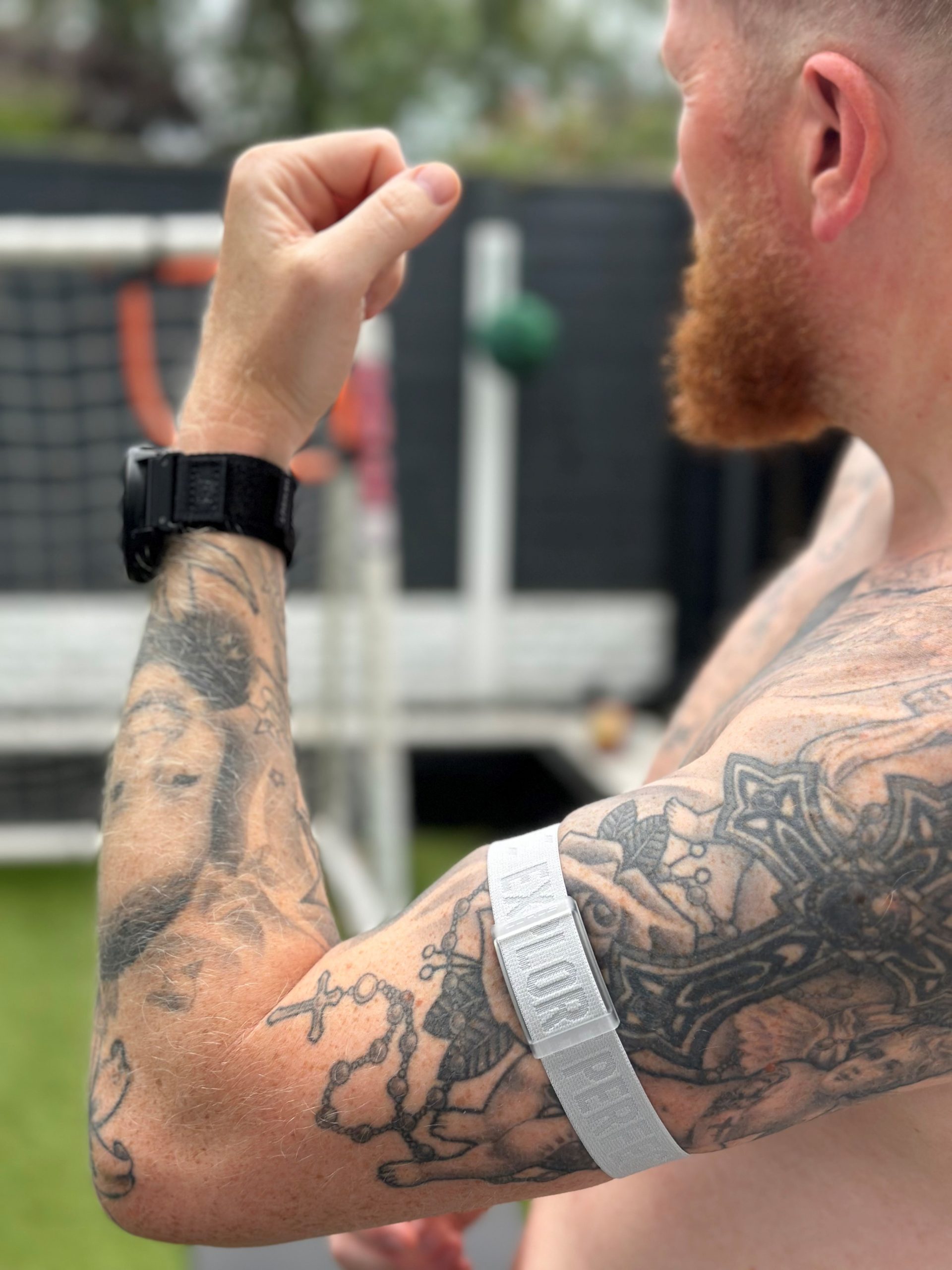
I’ve always used the Garmin chest strap for accurate heart rate monitoring whilst training, until recently when I started using the Coros HR monitor. The Coros Heart Rate Monitor is worn on the upper arm and is a device designed to provide accurate heart rate measurements for athletes and fitness enthusiasts. I’ve put this device through some testing over the past couple of weeks, from Mountain ultramarathons to HITT sessions in the gym. In my review I will cover the key aspects of the device, including its design, functionality, accuracy, battery life, compatibility, and overall performance. And ultimately should you buy it?
Design and Comfort
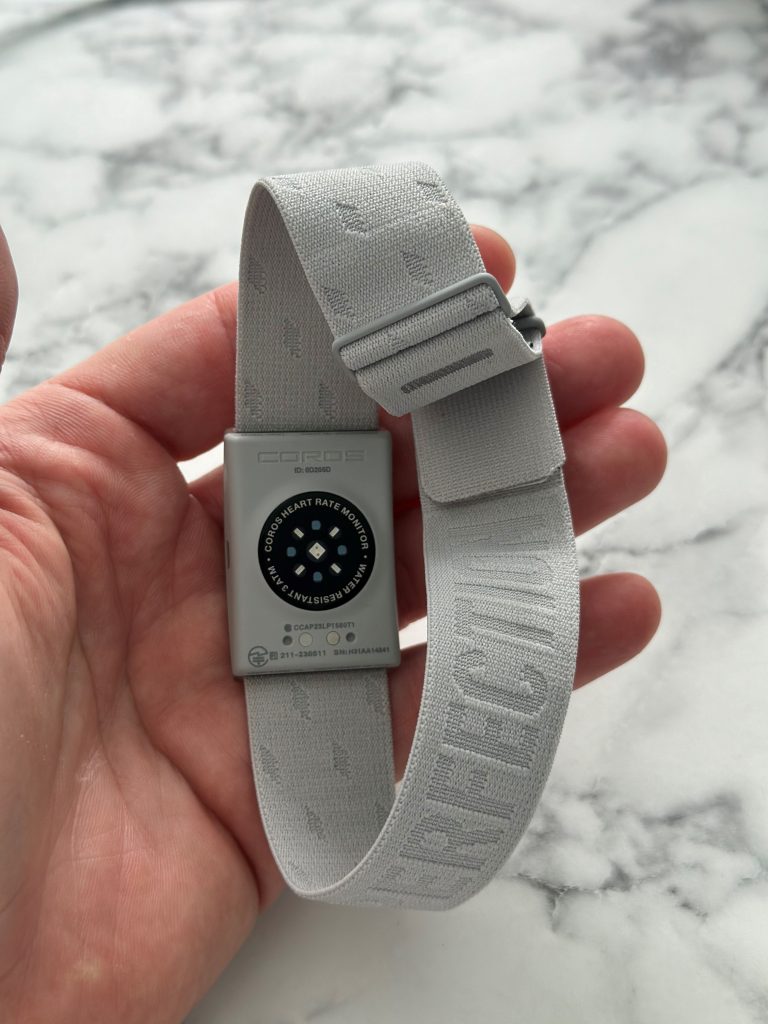
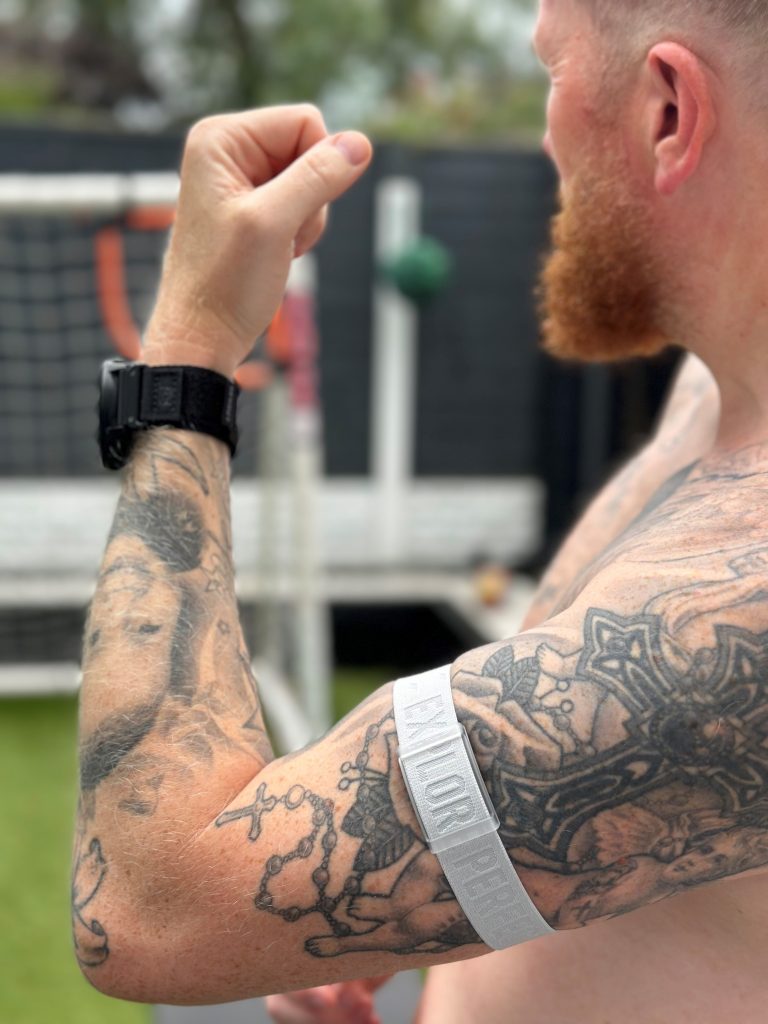
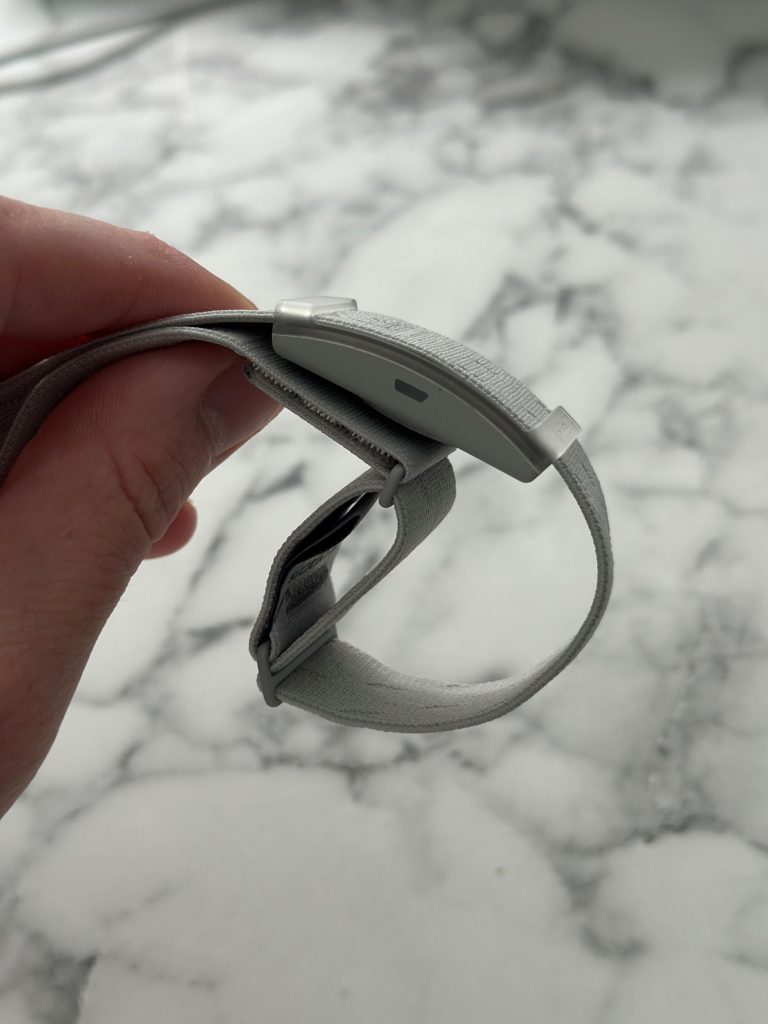
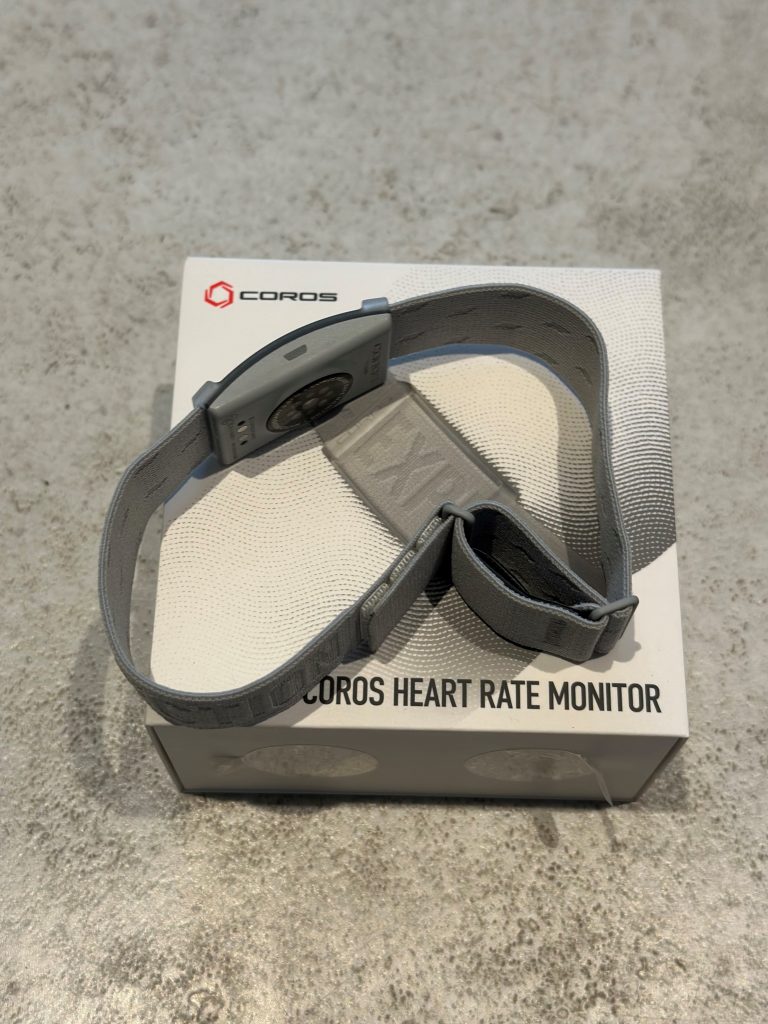
The Coros Arm Heart Rate Monitor features a sleek and lightweight design, weighs only 19g and is constructed with a soft and stretchy fabric material, making it comfortable to wear during various activities. The adjustable strap ensures a snug fit on different arm sizes without causing discomfort, even during extended workouts. Its minimalist design is unobtrusive, allowing users to focus on their exercise rather than the device. It also features a secure Velcro enclosure which enables you to remove the sensor all together to allow cleaning.
Functionality
This heart rate monitor uses optical sensor technology to measure heart rate. The device is worn on the upper arm, which can offer more stable readings compared to wrist-based monitors, especially during high-intensity activities. It syncs seamlessly with Coros watches and other fitness devices via Bluetooth, providing real-time heart rate data. I have been using it with my Garmin Fenix 6 Pro. Easy to connect and sync with and experienced no issues with drop out whatsoever. You will need to download the Coros app and create an account if you don’t already have one. It has a small LED on the outer edge which indicates when in “charging” or “in use”.
Accuracy
Accuracy is a crucial aspect of any heart rate monitor, and the Coros Arm Heart Rate Monitor performed exceptionally well in this regard. It provided me with consistent and reliable heart rate readings, comparable to the Garmin chest strap monitor I have been using prior, which is considered the gold standard of HR monitors. The placement on the arm helps reduce motion artifacts, contributing to its accuracy during dynamic movements. The sensor includes 5 Optical Heart Rate Hardware LED’s and 4 photodetector sensors that beam into your arm to detect your heart rate, rather than using sensor pads like chest HRM’s do. The sensor also detects when it is in use when the HRM is placed on the upper arm and when removed.
Battery Life
The device has good battery life, lasting up to 38 hours on a single charge. Charge time is up to around 2 hours for a full charge. The battery will last up to around 80 days in standby mode. This makes it suitable for long-duration workouts and endurance sports. The rechargeable battery is a convenient feature, and the device can be easily charged using the included USB Type-A cable. The charger connects to the sensor with a secure magnetic interface.
Compatibility
The Coros Arm Heart Rate Monitor is highly compatible with a wide range of devices. It works seamlessly with Coros smartwatches and can also be paired with other fitness watches, apps and devices that support Bluetooth connectivity. It supports simultaneous connection of up to 3 devices at any one time, which should be more than enough for anyone. This makes it a versatile choice for users who might use multiple fitness platforms.
My Experience on it’s Performance
I set up the Coros HRM within 5 minutes after unboxing. It needed a charge before putting it to use. I adjusted the stylish strap to suit my arm and made sure it wasn’t too tight and restrictive but secure. I tested it out on some Zone 2 HR training and was happy with the accuracy of it when compared to the Garmin Chest strap. I also tested it out on some interval sessions on the track and again I was very happy with how consistent and reliable the data was. It even performed well in the Gym whilst doing some HIIT strength training and core work. The main test came recently on a mountain ultramarathon, the Ultra Wales 50 with GB Ultras. I wanted to keep track of my HR in this race, especially on the climbs. I’ve never liked using the chest strap for ultramarathons due to having the running pack on and the chaffing that occurred nearly all of the time. But with the Coros HRM on my arm, I never even noticed I had it on. I wore it under a long sleeve t-shirt and experienced no chaffing or discomfort whatsoever. Again, the data was accurate and it allowed me to keep my heart rate under control within the race.
Pros and Cons
Pros:
- Comfortable and lightweight design, zero chaffing.
- Accurate heart rate monitoring.
- Charging capability.
- High compatibility with various devices.
- Easy to use and set up.
Cons:
- The battery life is good. But not when compared to the Garmin chest HRM.
Conclusion
The Coros Arm Heart Rate Monitor is a reliable and efficient device for anyone looking to track their heart rate accurately during workouts. Its comfortable design, good battery life, and high compatibility make it a standout choice among arm-based heart rate monitors for me. While it may not completely replace chest strap monitors for every user, I feel it offers a compelling balance of convenience and performance, making it a valuable addition to any fitness toolkit. For me, it will be replacing the Garmin chest strap due to its comfort, accuracy, and functionality.
Leave a Reply