

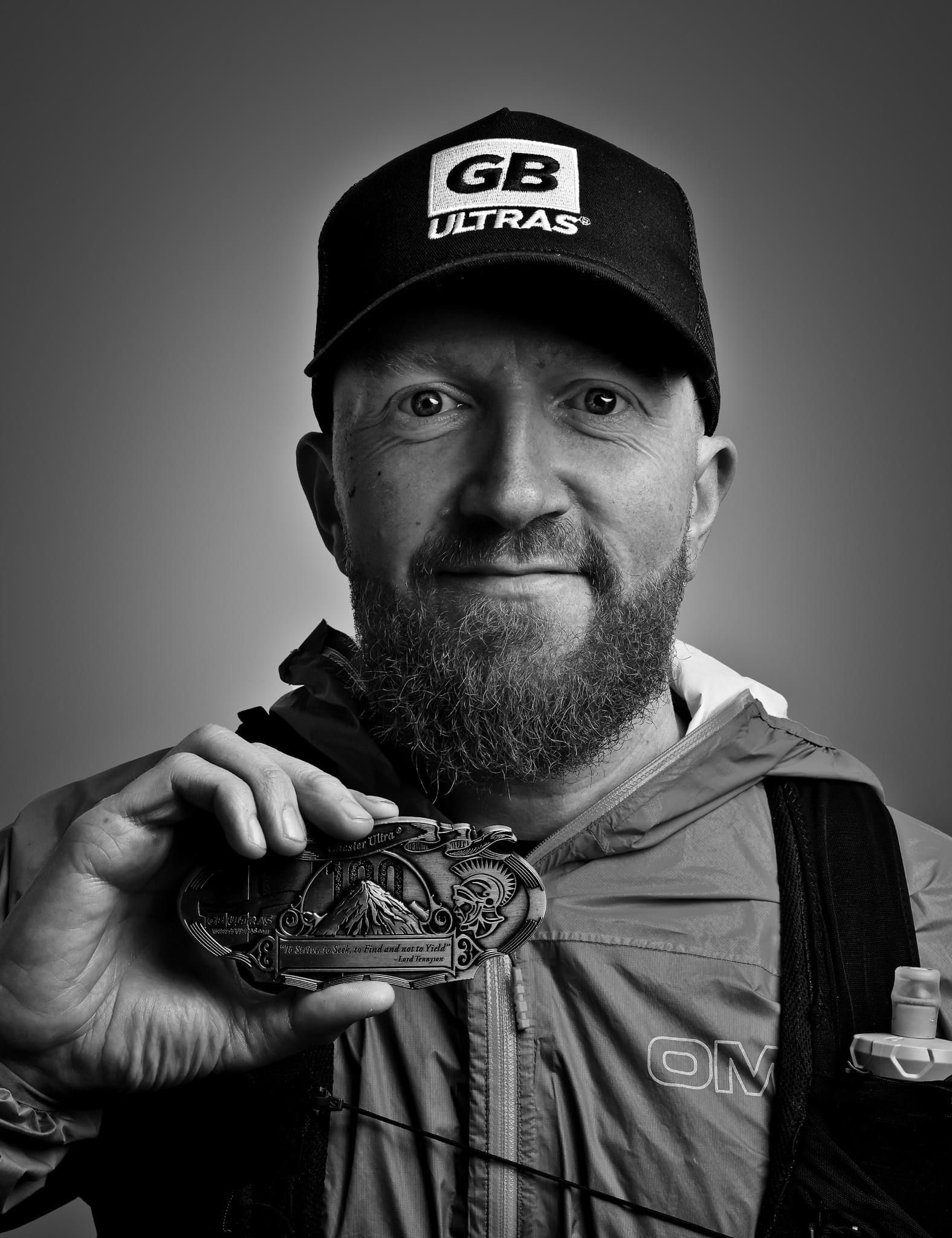
One hundred miles.
Say it slowly. Let it sink in. Then ask yourself what kind of person voluntarily stands on a start line, and decides to run that far.
The answer is: people exactly like you reading this.
Next weekend, I line up for the GB Ultras Chester 100 for the fourth consecutive year. Four years. Four chances to crack 100 miles across the Cheshire countryside. Four years of early alarms, of miles in the dark, of the kind of suffering that somehow makes you want to come back for more.
If you’re heading to your first 100-miler, or if you’ve attempted one before and want to do it differently this time, this post is everything I know. Not theory. Not stuff I’ve read. Real, hard-earned, sometimes-painful knowledge from someone who has stood on that start line and learned what it actually takes to make it to the finish.
Let’s get into it.
What Actually Is a 100-Mile Ultra?
Before anything else, let’s be clear about what you’re taking on.
A 100-mile ultra is not just a very long marathon. It’s not an extended training run. It’s a completely different event that demands a completely different mindset.
You will likely be on your feet for anywhere from 24 to 36 hours, sometimes longer. You will run through a full night. You will hit points where your body screams at you to stop and your brain starts entertaining ideas that would never seem reasonable in normal life. You will eat things at 3am that you wouldn’t even consider at breakfast.
And then you will finish. And it will be one of the greatest moments of your life.
The GB Ultras Chester 100 specifically runs through some of the most beautiful countryside in the North West, canal towpaths, open fields, forest trails, with multiple checkpoints stocked with food, crew access points, and a community of runners, volunteers, and marshals that make you feel less alone even in the darkest hours.
But knowing the course is one thing. Knowing how to handle yourself over 100 miles is something else entirely.
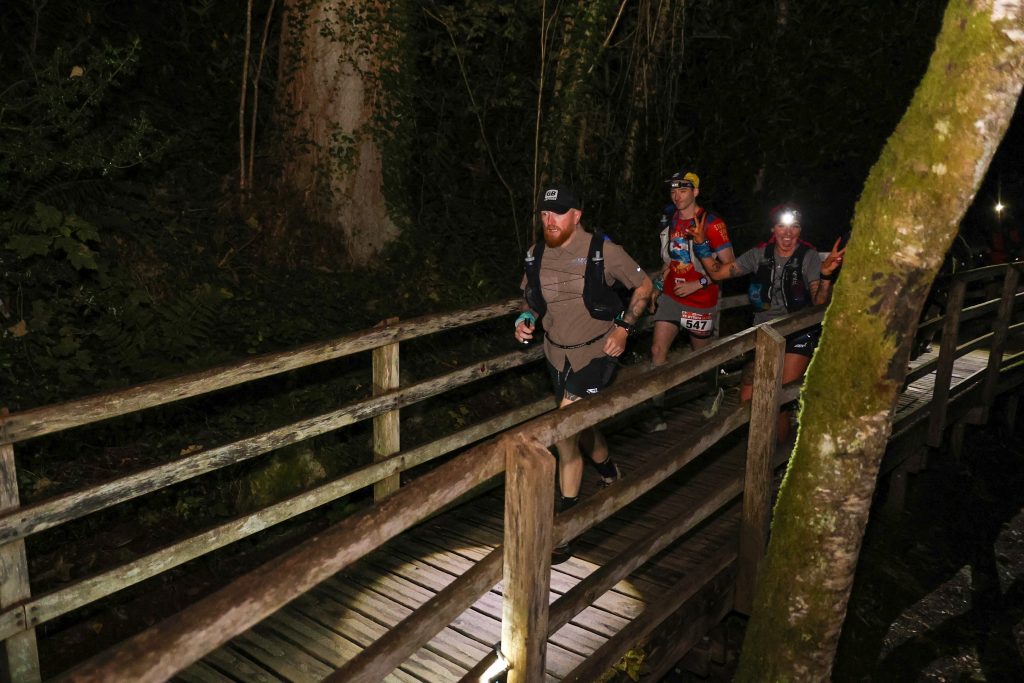
Part 1: The Build — Training for 100 Miles
Consistency Beats Heroics Every Single Time
I’ll say this clearly because it took me longer than I’d like to admit to actually believe it: a consistent 40-mile week, done week after week, is worth more than a single monster 70-mile week followed by a collapse.
Your body doesn’t get stronger from the effort. It gets stronger from the recovery after the effort. Stack fatigue without rest and you’re not building an ultra runner, you’re building an injury waiting to happen.
The runners I’ve seen fail at 100 miles are often the ones who trained the hardest in the months before. They hit the start line already cooked, wondering why their legs don’t feel right in the first 10 miles.
Train consistently. Protect your recovery. Trust the process.
Build Your Long Run — But Not in the Way You Think
Your long runs in training don’t need to match race distance. They need to prepare your body for time on feet and teach you how to run tired.
The most valuable training session I do in preparation for a 100-miler isn’t a 40-mile run. It’s a back-to-back weekend. A long run on Saturday followed by another long run on Sunday with tired legs. That Sunday run, when everything feels heavy and your motivation is somewhere in the car park, that’s the run that actually prepares you for mile 70 of a 100-miler.
Run long. Run tired. Learn what your body feels like when it’s not at its best, because that’s exactly what race day will ask of you.
Don’t Neglect the Easy Miles
Easy runs are not wasted runs. They are the foundation.
I used to think every session had to feel like it meant something. Paces crept up, recovery suffered, and I turned up to races with legs that had never really been allowed to just run comfortably.
Now, most of my miles are easy. Conversational pace. Relaxed effort. And that changes everything, because when you need to dig deep in a race, you actually have something left.
If you can’t have a conversation while running, you’re going too fast.
Practise Running at Night
This one is non-negotiable for anyone tackling a 100-miler.
You will be running through the night. That is a fact. And if the first time you’ve ever run at 2am is on race day, you’re going to find it much, much harder than it needs to be.
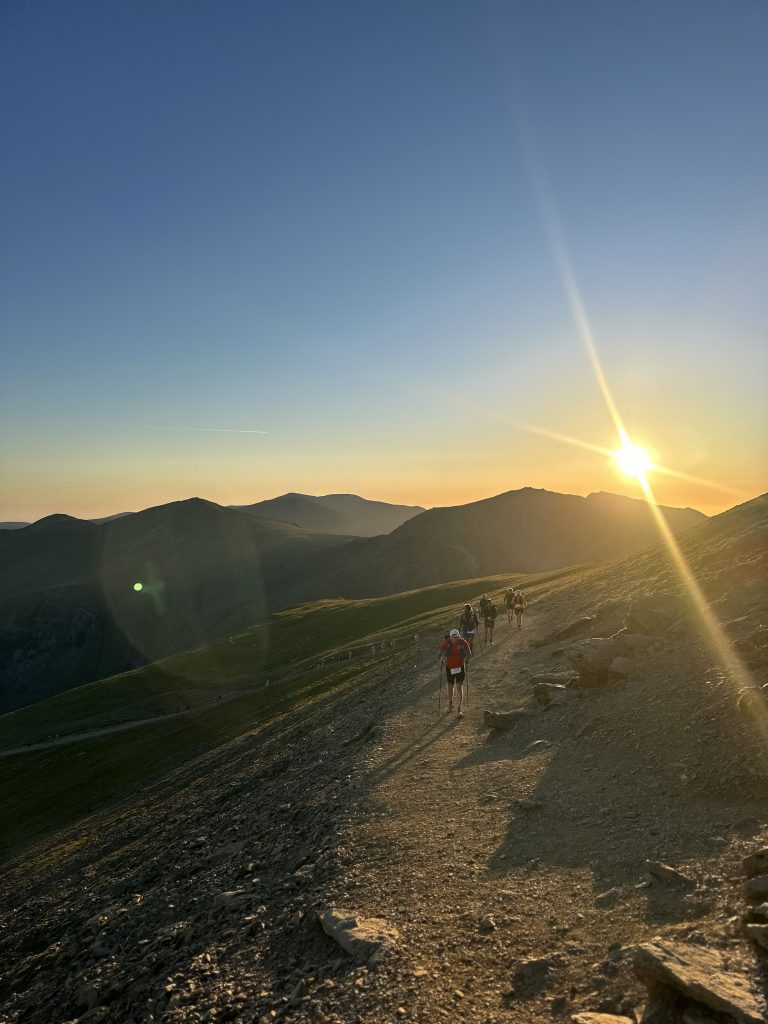
Get out in the dark. Run with your headtorch. Learn how the world feels at midnight when your legs are tired. Learn how to read the ground by torchlight. Learn that the darkness is manageable, even peaceful once you know it.
It will save you hours on race day.
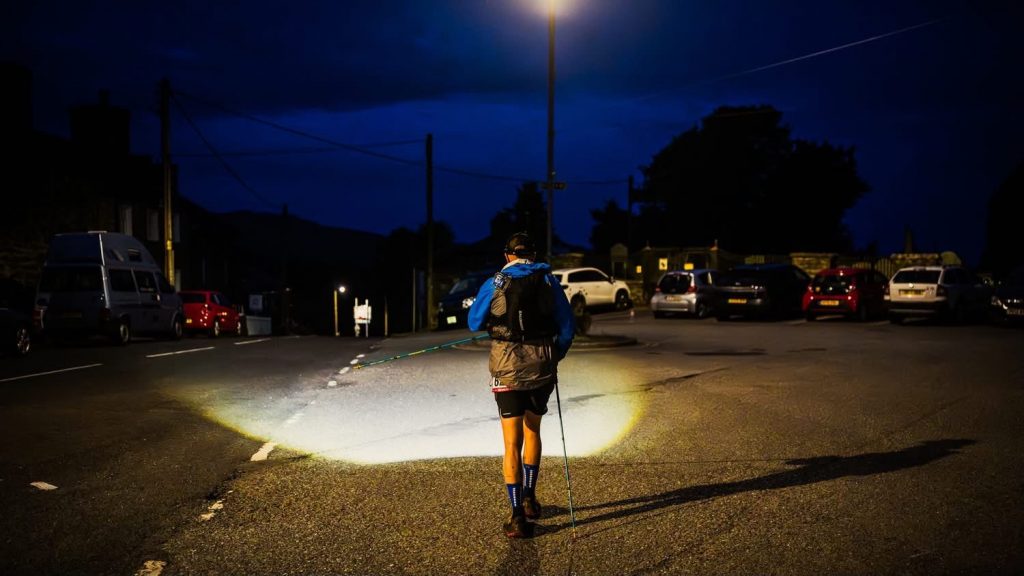
Part 2: Race Strategy — How to Actually Run 100 Miles
Start Slower Than You Think You Need To
This is the single most important piece of race day advice I can give you.
Everyone around you on the start line will look fast. The adrenaline will be flowing. The first miles will feel easy. Everything in your body will tell you that you can go a little quicker.
Don’t.
The runners who finish 100 miles aren’t the ones who ran the first 30 fastest. They’re the ones who ran the first 30 conservatively enough to still be moving properly at mile 80. I’ve seen confident runners disappear from races before halfway because they treated the first section like a marathon. A 100-miler rewards patience more than speed.
At Chester, I spend the first 20 miles genuinely thinking I’m going too slowly. By mile 50, I’m grateful for every second I held back.
Go easy. Then go easier.
Break It Down Into Sections — Never Think About the Full Distance
One hundred miles is a number that will destroy you if you stare at it too long.
Here’s what I do instead. I break the race into checkpoints. Then I break those checkpoints into the next mile. On the dark miles, it becomes the next 100 metres. The next lamppost. The next bend in the canal.
You don’t run 100 miles. You run to the next checkpoint, then the one after that, then the one after that. Repeat until someone gives you a buckle.
The moment you start calculating how far you have left is the moment you start losing the mental battle. Don’t do the maths. Just keep moving.
Walk — And Walk Without Shame
Walking is not failing. Walking is racing smart.
In a 100-miler, strategic walking, particularly on climbs, through aid stations, and during the lowest miles, preserves your legs for when you actually need them. Some of the fastest ultra runners in the world walk significant sections of 100-mile races.
I use a run-walk structure throughout the race. I run the flat and the downhills. I walk the climbs. In the later miles, I walk and run based on how my body feels rather than pride. And I finish.
Ego doesn’t cross the finish line. Patience does.
The Night Section Is Everything
Here’s the truth about running through the night in a 100-miler: it’s the hardest part, and it’s also where your race is won or lost.
Around 2am to 4am, you will hit a wall that isn’t physical. It’s deeply mental. Your body clock is screaming at you to sleep. The world looks strange. Small problems feel enormous. Everything takes more effort than it should.
This is normal. This is the race.
The runners who lose races in the night hours are the ones who didn’t expect it. The runners who get through it are the ones who knew it was coming, prepared for it, and kept putting one foot in front of the other anyway.
My tools for the night section: caffeine, timed carefully, not thrown at the problem randomly, a change of kit if I can, something warm to eat, and a mantra. Mine is simple: focus on the process and the outcome will be inevitable. When everything else fades, I come back to that.
The sun will rise. It always does. And when it does, you’ll feel reborn.
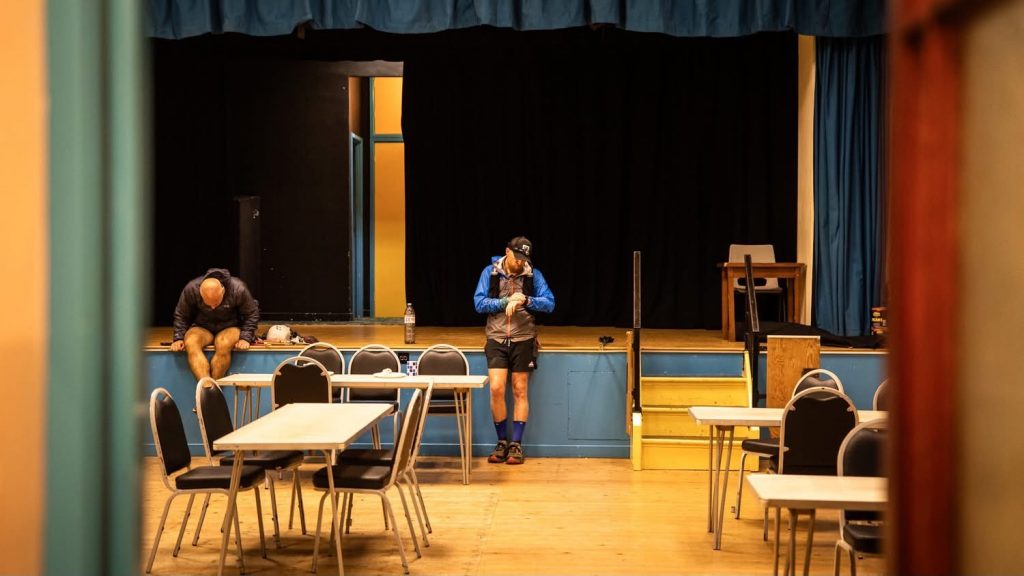
Part 3: Nutrition — Eat Before You’re Hungry, Drink Before You’re Thirsty
I’ve said it before and I’ll keep saying it. Ultras aren’t lost on the trails. They’re lost in the stomach.
Eat Something Every Single Checkpoint
No exceptions. Even when you’re not hungry. Especially when you’re not hungry.
In a 100-miler, the gap between how you feel and how fuelled you actually are can be enormous. You’ll feel fine, you’ll skip eating at a checkpoint, and then 45 minutes later you’ll hit a low that takes 90 minutes to climb out of. By the time your body tells you it needs fuel, you’re already behind.
Eat constantly. Eat early. Eat real food alongside your gels and chews.
What to Actually Eat
The checkpoints at GB Ultras events are brilliant, proper food, hot drinks, the lot, but you need to know your own stomach. My race day staples:
- Cheese sandwiches, bananas, oranges, crisps (the salt is everything), pasties in the middle miles, something hot, a pot noodle, soup, anything warm, deep in the night.
- Precision Fuel & Hydration Gels on the move, chews for slower sections and between checkpoints. They’ve never caused me GI issues, which at hour 18 of a race matters more than anything.
- Milkshake, Coca-Cola, and water. Liquid calories are underused in ultra nutrition. When your stomach starts to close up in the later miles, your gut will handle liquids far better than solids.
Caffeine strategy: save it. Don’t throw it at every low moment. Time it for the deepest night hours when you genuinely need your mind sharp.
Train Your Gut
Your digestive system is as trainable as your legs. Practise eating on your long runs. Eat things you plan to race with. Find out what your stomach can handle at hour 8, not hour 2.
If you’ve never eaten during a long run, start now. Ultras are not the place to experiment.
Part 4: Kit and Gear — Don’t Overcomplicate It
Mandatory Kit Is Non-Negotiable
Every ultra of this distance will have mandatory kit requirements. At GB Ultras events, this covers waterproof jacket, foil blanket, whistle, phone, and more. Read the list. Check it twice. Don’t arrive at a checkpoint to be told you’re missing something.
Your mandatory kit isn’t just bureaucracy, it’s the difference between a bad patch and a genuine emergency in poor conditions.
Your Shoes Are Your Most Important Decision
Get this right above everything else.
The shoe you race in should be a shoe you’ve trained in extensively. Not worn twice. Extensively. You need to know how it performs after 8 hours, after 12 hours. You need to know if it rubs anywhere when your feet swell (and they will swell).
At Chester, I’d recommend a shoe with enough cushion to protect your joints over the later miles but with enough ground feel to handle the mixed terrain, canal paths, tracks, and field sections that change with the weather.
Change Your Socks
This sounds minor. It is not minor.
I change socks at planned intervals in long races. Fresh socks at mile 50 feels like a reset button. Dry feet are happy feet. Happy feet carry you further. Throw an extra pair or two in your drop bag and thank yourself at mile 70.
Headtorch — Charge It and Have a Backup
You’ll need your headtorch for multiple hours in a 100-miler. Make sure it’s fully charged the night before, and carry a backup or spare batteries. Running in the dark with a dying headtorch is stressful in a way that burns energy you don’t have to spare.
Part 5: The Mental Game — Where 100 Miles Is Actually Won
The Low Will Come. Be Ready for It.
In every single 100-miler I’ve run, there has been a low point. A moment, sometimes lasting hours, where the finish line feels completely impossible. Where you’re questioning every decision that led you here.
That moment does not mean you should stop. That moment means you’re in a 100-mile race.
The runners who finish are the ones who expected the low, prepared for it mentally, and moved through it rather than around it. Suffering isn’t failure in an ultra. Suffering is the race.
Have Mantras Ready
When your brain starts making arguments for quitting, you need something to come back to. Something simple, personal, and true.
- “I didn’t come this far to only come this far.”
- “Focus on the process.”
- “One more mile.”
Find yours before race day. You’ll need it.
Use Your Support Crew (If You Have One)
If you have crew at Chester, use them intelligently. Brief them before the race on what you might need at each point, including the emotional support they might need to give you if you arrive at a checkpoint in a dark place.
Tell them not to ask “how are you feeling?” Ask them to tell you what they see instead: “You’re moving well.” “You’re on pace.” “You’ve done 60 miles and you’re still here.” Positive, specific, forward-looking.
A good crew can be the difference between a DNF and a finish.
If You’re Running Solo — Be Your Own Crew
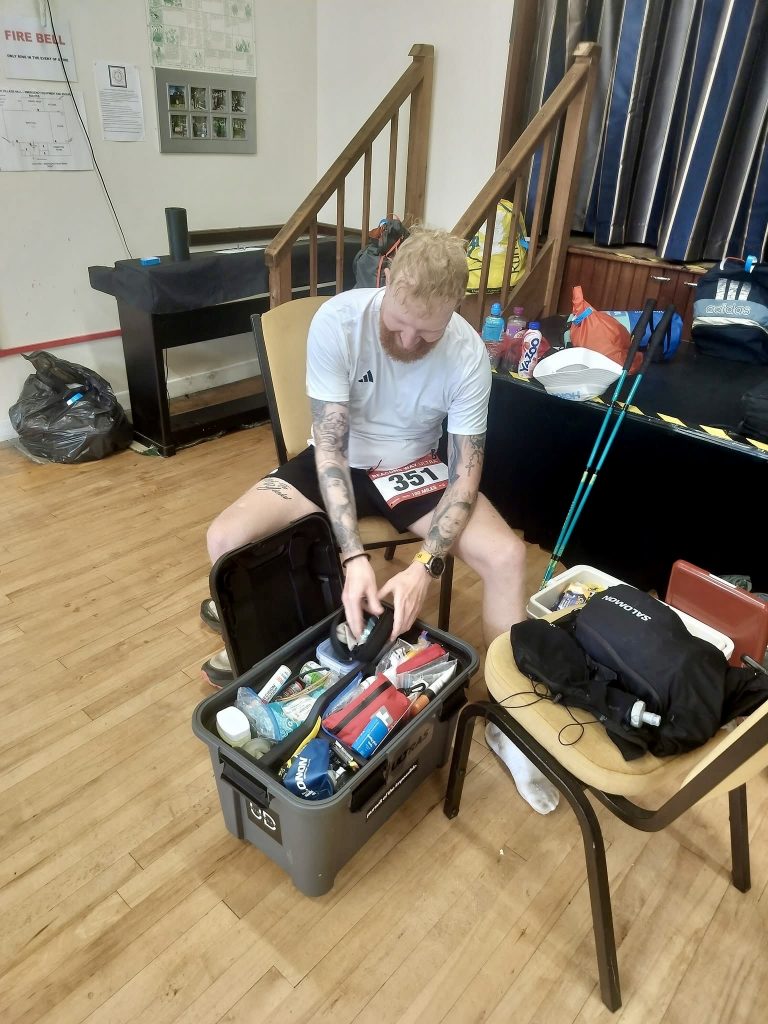
In every race I’ve done without crew support, the key has been being organised enough not to need one for the basics. Drop bags packed clearly. Kit changes planned in advance. Food choices written down so you’re not making decisions with a brain running on no sleep. The more you’ve pre-decided, the less you have to think when thinking is hard.
Part 6: The Finish Line — What Happens When You Get There
It will not look the way you imagined.
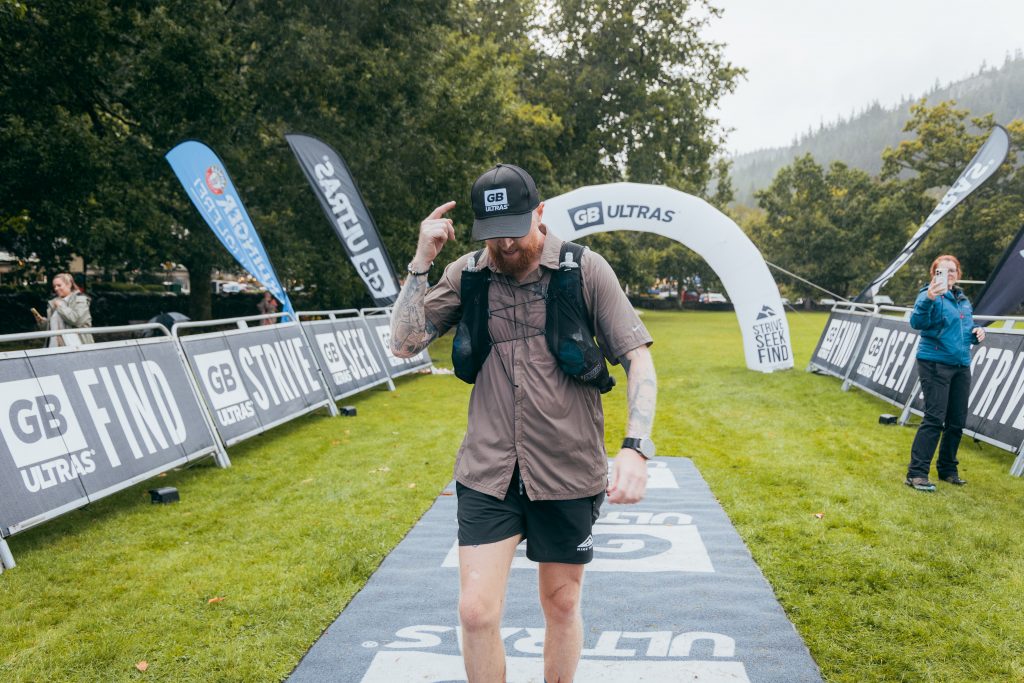
You won’t look like a movie runner crossing a finish line. You might be crying. You might be limping. You might be laughing uncontrollably, or completely silent, or both at the same time.
None of that matters.
What matters is this. You set out to run 100 miles. And you did it.
Every training run in the dark, every long run on tired legs, every time you got out of the door when you really didn’t want to, it all added up to this. One hundred miles. Done.
That’s not just a race result. That’s a different version of yourself than the one who stood on the start line. More capable. More resilient. More certain of what you can do when you commit to something completely.
Final Thoughts: Chester 100, Year Four
I’ve lined up at Chester every year since I started running 100-milers. Every time it’s taught me something different. Every time I’ve arrived thinking I know what to expect, and every time the race has reminded me that you never really know.
That’s why I keep coming back.
Not for the buckle, though the GB Ultras hardware is brilliant. Not for the Strava upload. But for the reminder that the human body and mind are capable of things that seem completely impossible until you do them.
If you’re toeing the line at Chester 100 this year, for the first time or the fourth, I’ll see you out there.
Keep moving forward. The finish line is just ahead.
Leave a Reply