

I’ll be honest with you. The last 12 months have been a battle. Not on the trails, not against the clock, but with my own body. Plantar fasciitis. If you’ve had it, you know exactly what I mean. That first step out of bed in the morning that makes you wince. The way it nags you through every mile. The constant mental battle of asking yourself, do I push through this, or do I stop?
For an ultra-runner chasing big miles, “rest” feels like a four-letter word. But finding a way to manage it, train through it smartly, and actually recover? That changes everything.
I’ve tried everything under the sun to beat plantar fasciitis. I rolled my foot over frozen water bottles, over spikey balls, stretched my calves religiously, foam rolled, wore supportive insoles, and even experimented with acupuncture and alternative Chinese medicine. I spent countless evenings icing, massaging, and reading online advice, hoping for a breakthrough. But despite all these efforts, nothing seemed to offer lasting relief or help me get back to consistent training.
Then I found Tend.
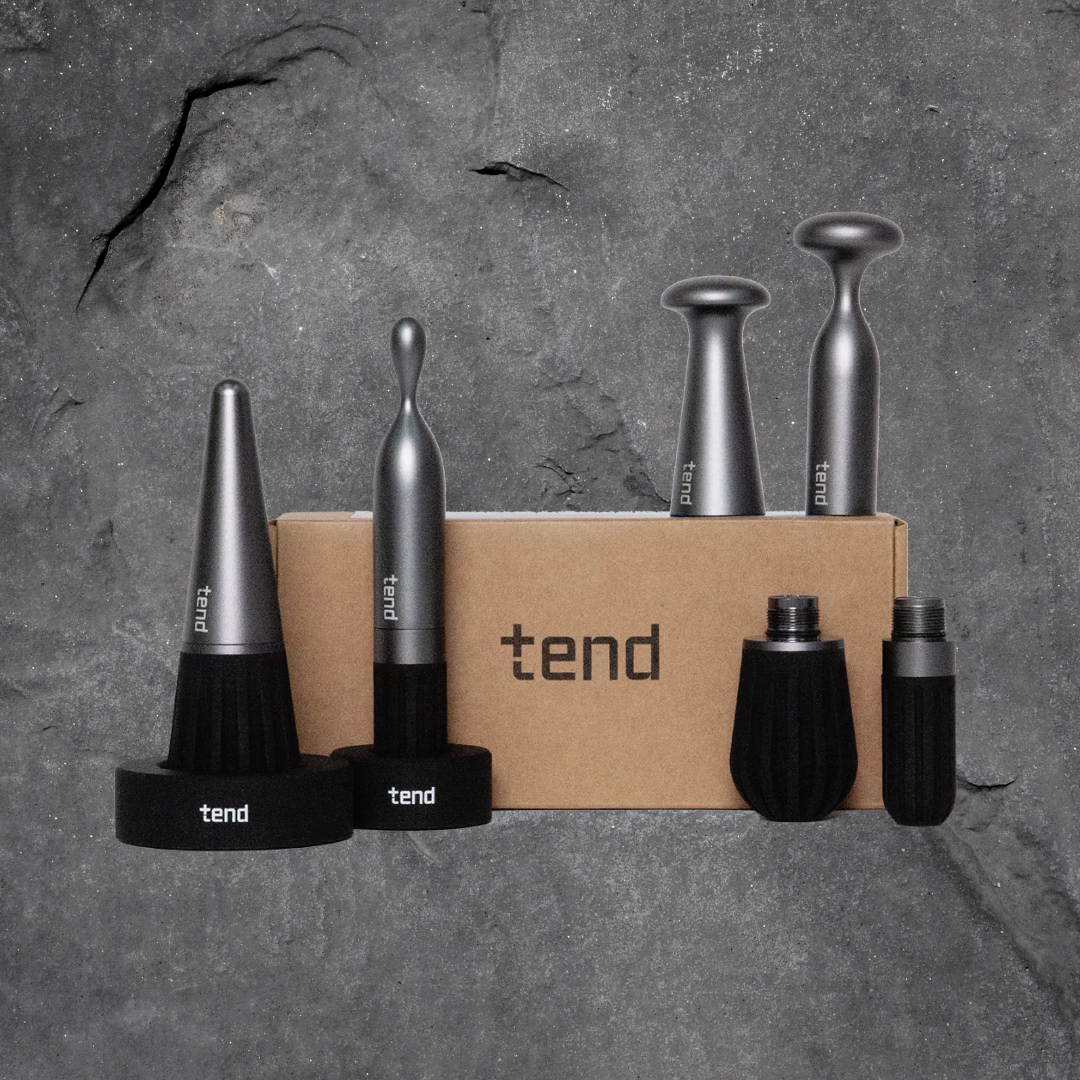
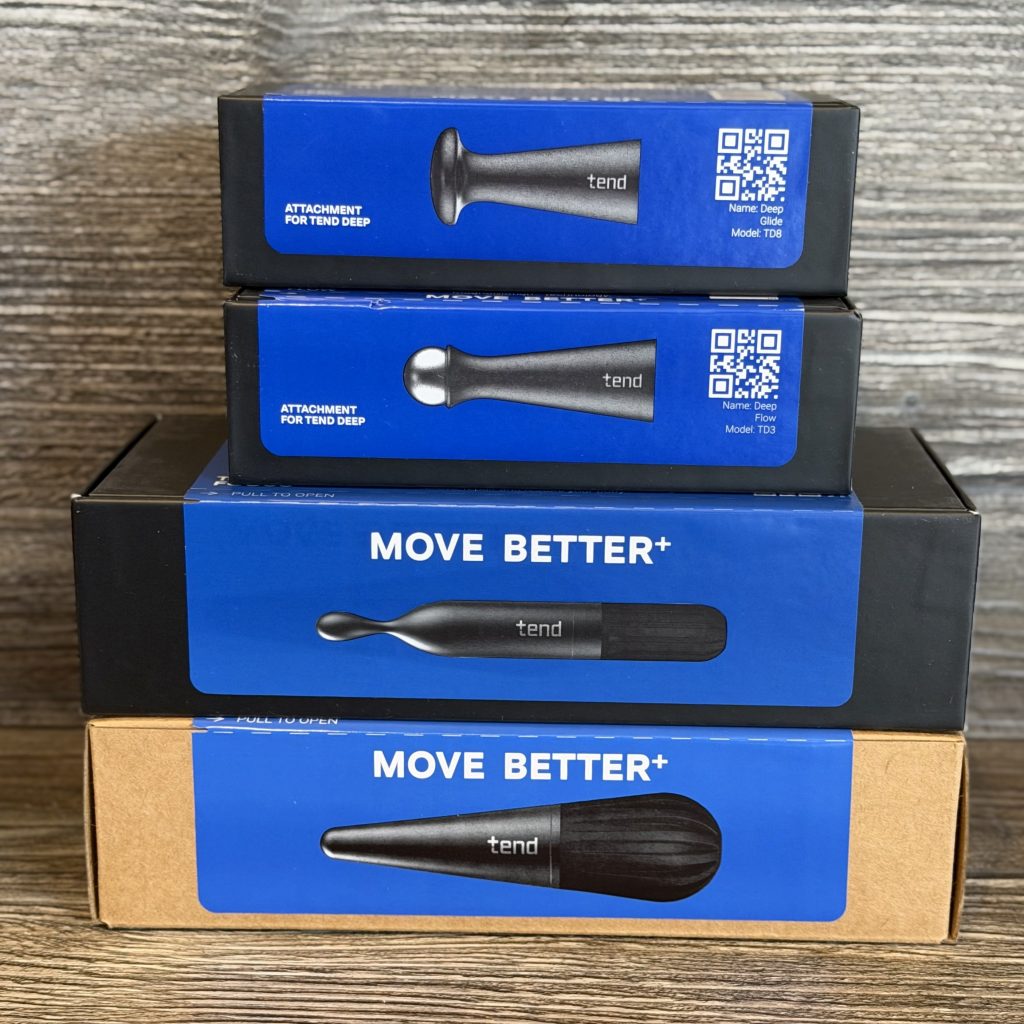
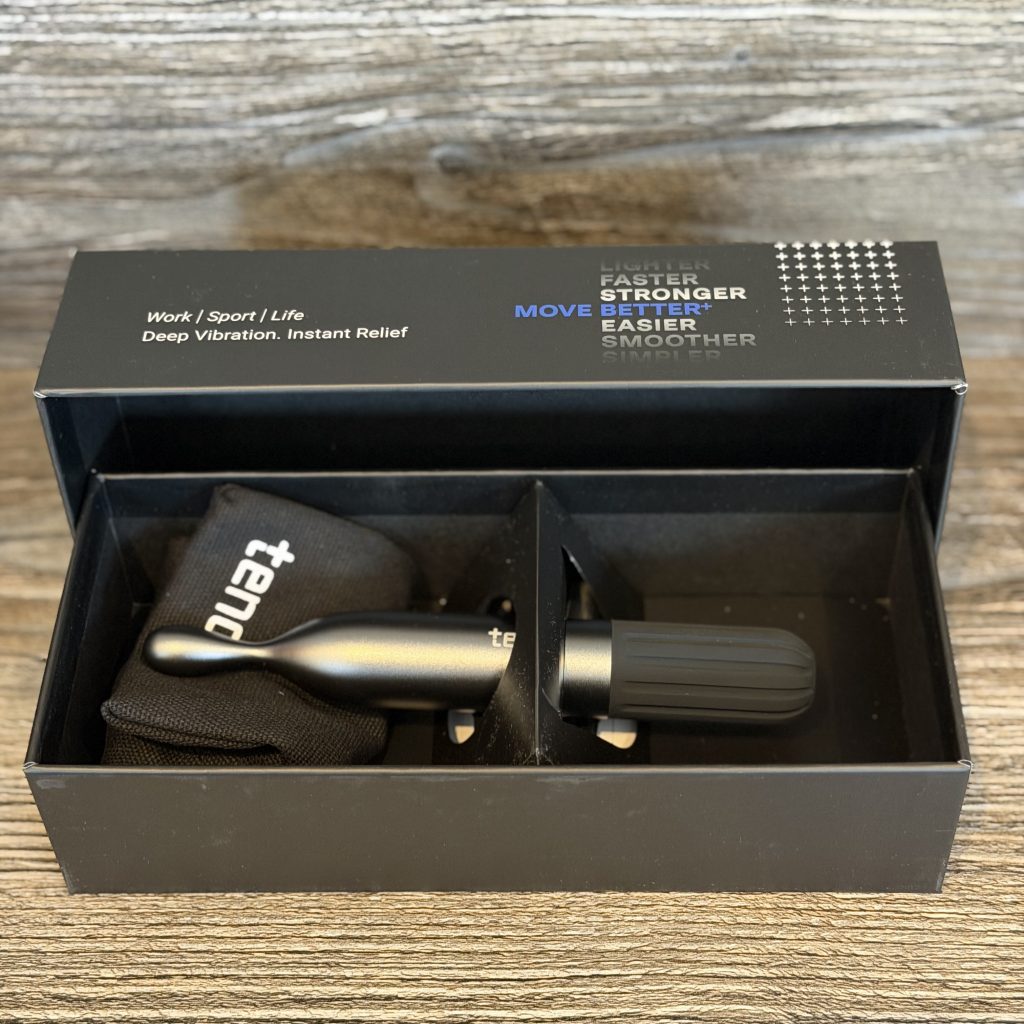
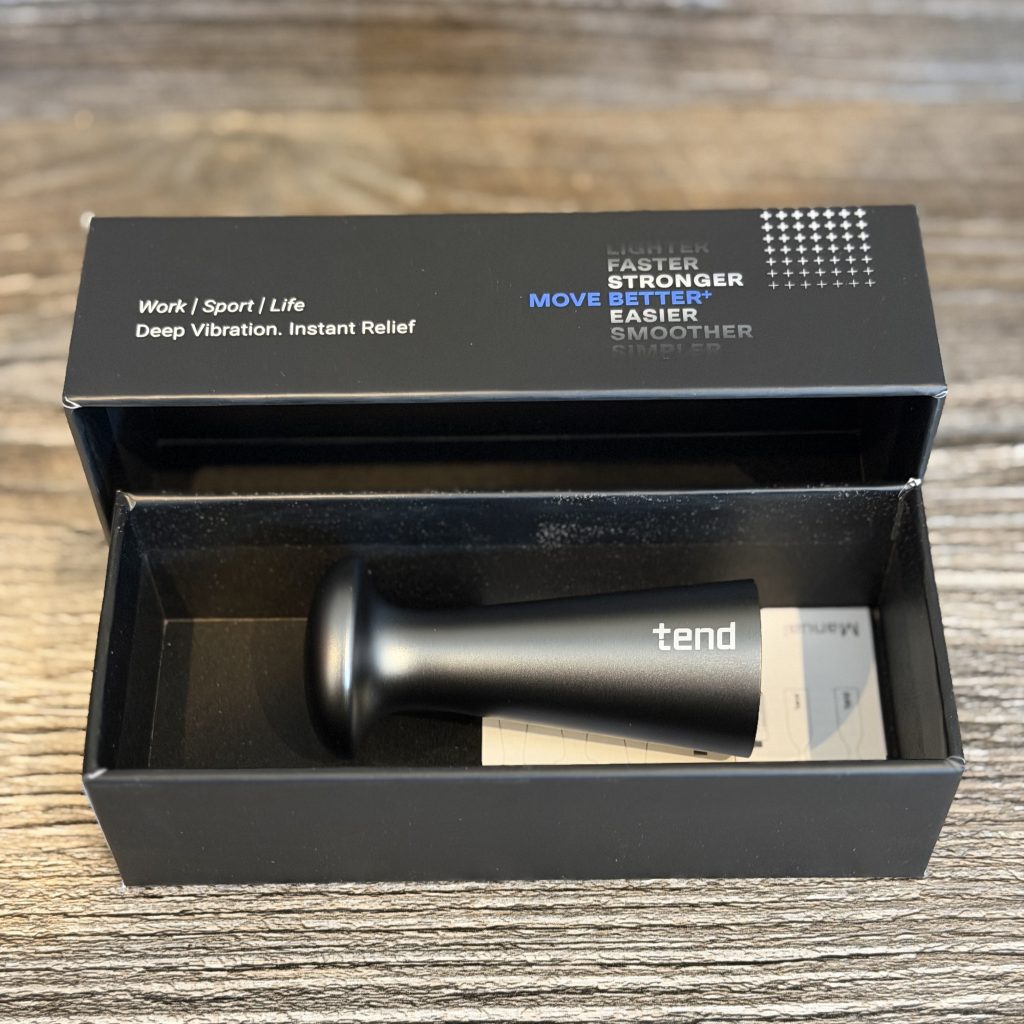
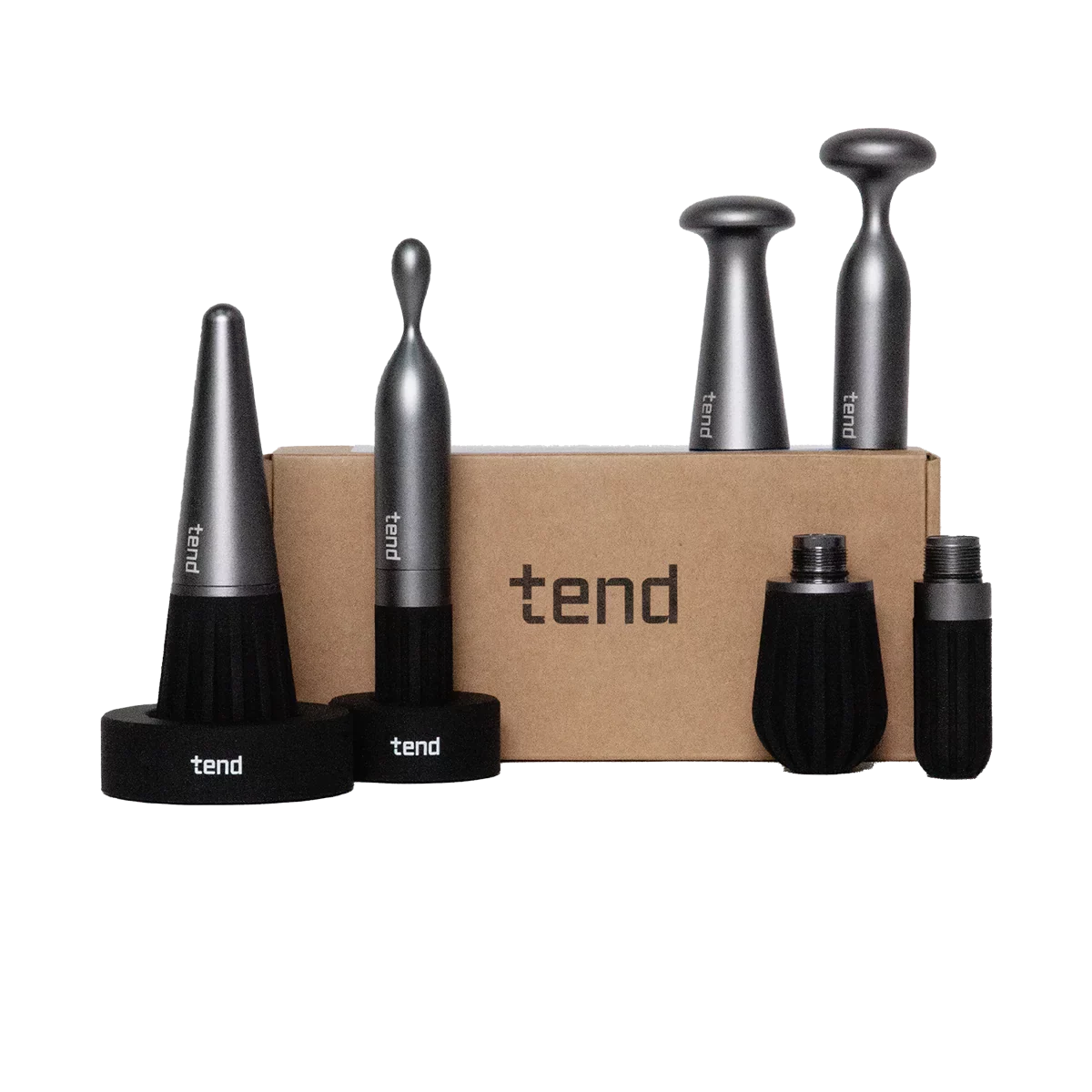
I’ve been testing two of their devices. The Tend Deep and the Tend Focus, along with two of their attachments, the Deep Glide and the Deep Flow. And I started getting noticeable results, the injury was starting to show signs of healing rather than just relief from the pain.
Here’s my honest, no-fluff breakdown.
What Is Tend? (And Why Should Runners Care?)
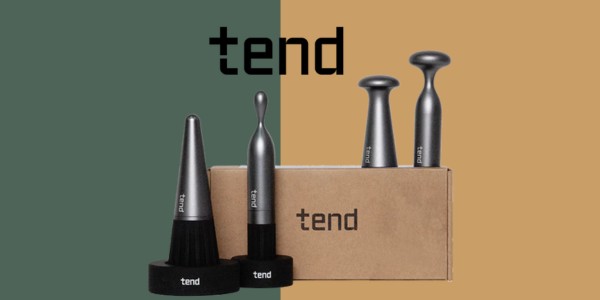
Tend is a handheld high-frequency focal vibration tool. Not a massage gun. Not a foam roller. Something different.
Where a traditional massage gun hammers repeatedly into the muscle, Tend uses ultra high-frequency focal vibration to penetrate tissue, stimulate the nervous system, and promote blood flow and pain relief, without the blunt-force trauma that can sometimes aggravate injury.
It’s developed by therapists and engineers, used by professional sports teams, physios, GB Olympic athletes, and increasingly by endurance athletes who need something that actually works, not just something that looks good on Instagram.
For runners and strength trainers dealing with tight muscles, chronic niggles, or recovering from injury, it’s a genuinely different tool to anything else I’ve come across.
The Tend Deep – First Impressions
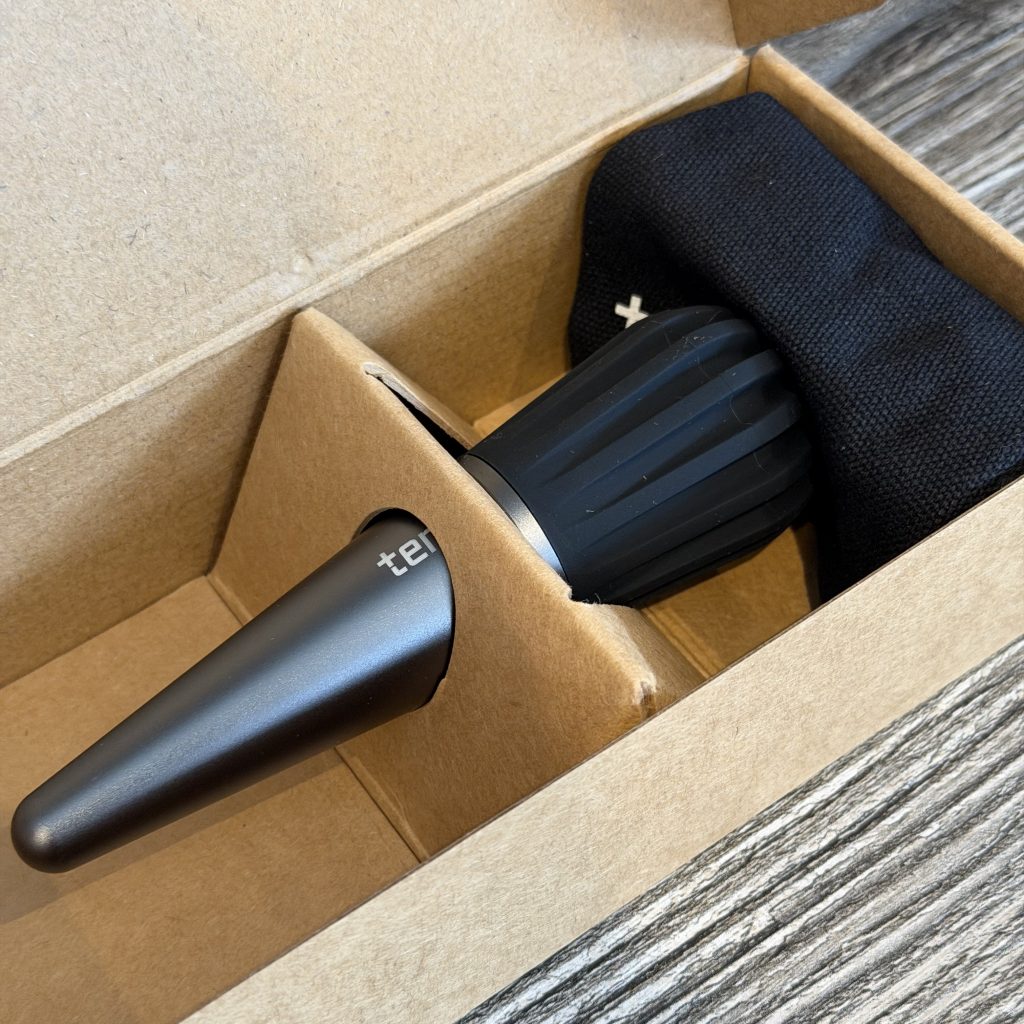
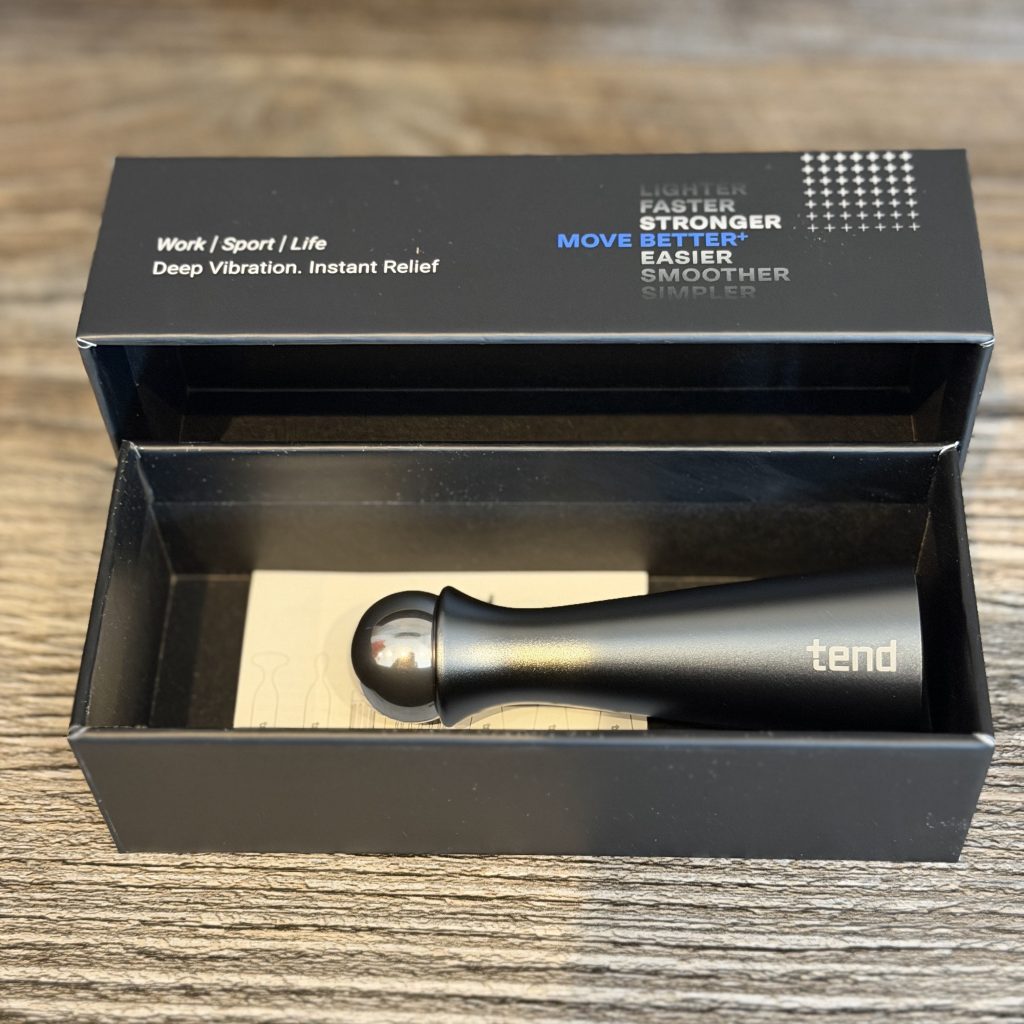
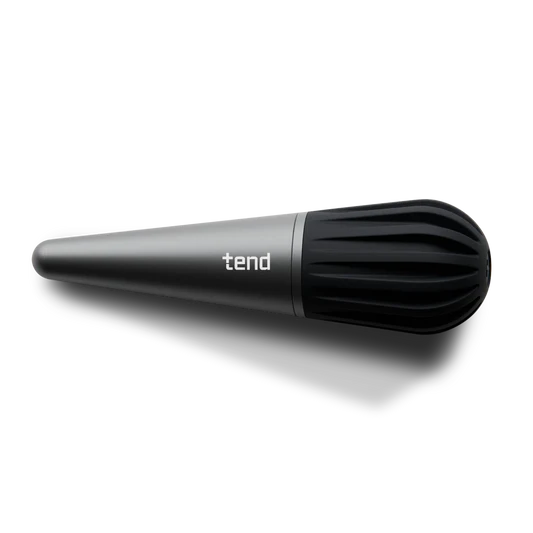
The Tend Deep is the larger of the two devices. It sits confidently in the hand, feels well-built, and has a quality to it that you notice immediately. This isn’t a cheap gimmick, it has the feel of a piece of kit that’s been properly designed and tested.
Out of the box it’s intuitive to use. Power it up, select your intensity, apply it to the target area. The vibration is high-frequency and precise, nothing like the thudding you get from a standard percussive gun. It’s almost deceptive at first, you think “is this really doing anything?” and then, gradually, the tension in the muscle starts to release and you realise, yes. Yes, it is.
For me, the Tend Deep became my go-to for the bigger muscle groups. Quads, calves, hamstrings, the muscles that take the brunt of long miles week after week.
The Plantar Fasciitis Problem
Let me give you some context, because I think it’s important.
Plantar fasciitis had crept in after my first 100 miler of my attempt at the 2025 GB Ultras 100 Mile Grand Slam. For those who don’t know, plantar fasciitis is inflammation of the thick band of tissue running along the bottom of your foot, connecting your heel bone to your toes. For runners, it usually shows up as sharp heel pain, worst first thing in the morning, or after periods of rest or time on feet.
After testing numerous recovery methods and investigations, I found mine was being driven by two things, tight calf muscles and tight quads. When your calves are chronically tight, they pull on the Achilles, which in turn pulls on the plantar fascia. It’s a chain reaction. Add in quad tightness from long trail runs with big elevation, and you’ve got a body that’s compensating and loading the foot incorrectly.
The standard advice? Rest, ice, stretch. And yes, stretching and rest have their place. But I still had training to do. And races to complete. And I wasn’t willing to just stop. That just isn’t in my nature.
That’s where having the right recovery tools stopped being a luxury and became a necessity.
How the Tend Deep Transformed My Calf Recovery
My calves were the root of a lot of my issues. Chronically tight, never fully releasing between sessions. I’d tried foam rolling, massage guns, static stretching, all useful, but never quite getting into the tissue the way I needed.
The Tend Deep, used along the gastrocnemius and soleus (the two main calf muscles), felt different from the first session. The high-frequency vibration seems to penetrate into the tissue rather than just sitting on the surface. Within a few minutes, I could feel the muscle releasing, a genuine change in tension, not just a temporary numbing effect.
After a week of consistent use, a few minutes per calf, pre and post-run, the change in morning tightness was noticeable. Not a miracle cure. But a meaningful improvement that directly reduced the load through my foot and helped the plantar fascia calm down.
For any runner who carries chronic calf tightness (which, let’s be honest, is most of us), this alone justifies the Tend Deep.
The Quads: Strength Training? Then Listen
Heavy leg days, squats, lunges, leg press, create significant quad tightness. Over time, tight quads affect your knee tracking, your hip flexors, and if you’re a runner, they contribute to altered gait mechanics that load the foot differently. It’s all connected.
I’ve been using the Tend Deep on my quads after both hard running sessions and gym sessions. The difference in DOMS (delayed onset muscle soreness) is real. I’m recovering faster, the tightness isn’t lingering the way it used to, and my legs feel ready sooner for the next session.
For strength trainers. Think of this as your post-session recovery tool for the quads and hamstrings. Five minutes per leg after a big lower body session. The quality of your next workout will improve.
The Tend Focus: Precision Where It Matters
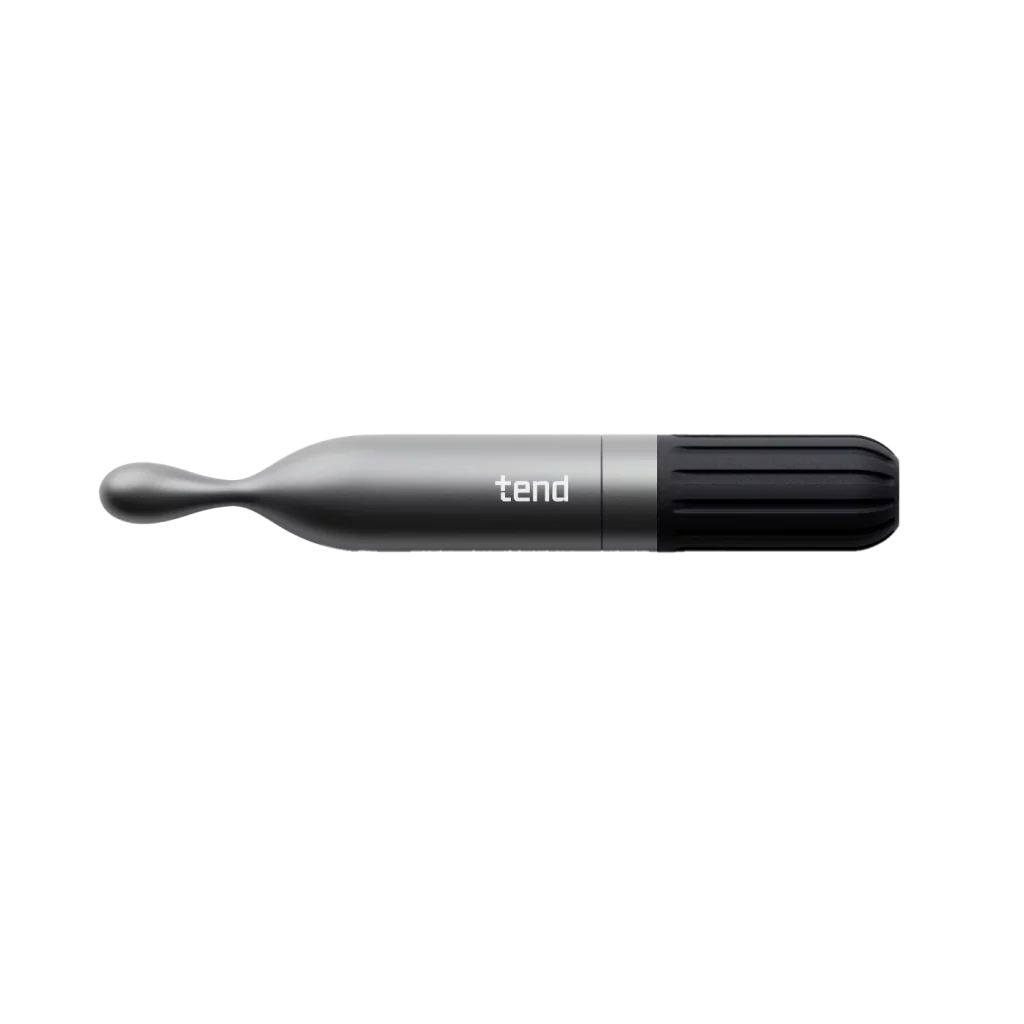
The Tend Focus is the smaller, more targeted sibling of the Deep. And for plantar fasciitis recovery specifically, this one became indispensable.
The Focus is designed for precision work, smaller areas, more specific application. The kind of work that a larger device simply can’t do accurately. Think the arch of the foot. The heel. The Achilles tendon. The tibialis anterior. Areas where you need to get in precisely, not broadly.
I started using the Tend Focus along the plantar fascia itself, along the arch, gently into the heel, working up towards the Achilles. Combined with targeted calf work on the Tend Deep, this became a complete protocol that genuinely helped me manage the injury.
Within a couple of weeks of consistent use, the morning pain on that first step was significantly reduced. I was still running. Still training. Still in the gym. And actually getting better, not just managing it.
The Attachments: Deep Glide and Deep Flow
Two attachments, two very different purposes.
The Deep Glide changes the application from static focal work to something more like a gliding massage. It allows you to move the device along the length of a muscle, the IT band, the calf, the quad sweep, with the vibration working continuously as you go. For warm-up and cool-down work along the longer muscle groups, this is superb. It bridges the gap between focal treatment and what a manual sports massage therapist would do along a muscle.
For runners: I use the Deep Glide along my IT band and calf before and after long runs. It’s become a permanent part of my pre-run activation routine.
The Deep Flow is designed more for broader, sustained application, covering a wider area with the vibration effect. It works brilliantly for larger, more general areas of tightness, think the upper glutes, the upper back and shoulder area after a big race with poles, or the broad sweep of the quad.
For strength trainers: the Deep Flow on the lats and upper back after heavy pulling sessions is genuinely useful, a different sensation to the focused point work, and excellent for general post-session recovery.
Between the two attachments, you’ve got a surprisingly complete toolkit depending on what your body needs that day.
My Actual Protocol: What I’ve Been Doing
To make this practical, here’s exactly how I’ve been incorporating Tend into my training week:
Post-run (every run):
- Tend Deep along the calves — 5 minutes each leg
- Deep Glide along the IT band and along the full calf sweep
- Tend Focus on the plantar fascia — 3 minutes on the affected foot
Post-gym:
- Tend Deep on the quads — 5 minutes each side
- Deep Flow across the glutes and hamstrings
Morning (plantar fasciitis management):
- Tend Focus on the heel and arch – 5 minutes before putting weight through the foot. This has been a game-changer for reducing that brutal first-step pain.
Who Is Tend For?
Honestly? A lot of people. But let me be specific about where I think it earns its place.
For ultra runners and endurance athletes dealing with the cumulative tightness that builds over big training blocks, the calves, IT band, quads, and feet that never quite fully recover between sessions, Tend gives you a tool that can work in a way foam rolling and standard massage guns simply don’t reach.
For strength trainers dealing with DOMS and muscle tightness that limits training frequency, the post-session recovery application is genuinely effective.
For anyone dealing with plantar fasciitis, and this one I speak about from direct experience, the combination of the Tend Deep for calf work and the Tend Focus for the plantar fascia itself is the most effective self-treatment protocol I’ve found. It didn’t replace professional physio advice. But it made training through recovery possible in a way that surprised me.
Pros & Cons
Pros:
- Genuinely different technology to massage guns, the high-frequency focal vibration works differently and, in my experience, more effectively for tight tissue
- The Tend Focus is outstanding for precision work on the foot and smaller areas
- Versatile across running and strength training recovery
- Build quality feels premium and durable
- The attachment system adds real flexibility depending on the task
Cons:
- The price point (£195 per device) puts it in premium territory; this is an investment. But I feel is worth every single penny
- A bit of a learning curve to find the right pressure and positioning on each area. Learning about your own body and being consistent will take a little time
- You need to be consistent with it, one session won’t transform anything, but a week of consistent use will
Final Verdict
I went into testing Tend with healthy scepticism. I’ve tried a lot of recovery tools over the years. Most of them help, some of them don’t, and very few of them genuinely make a massive difference.
Tend certainly changed things for me.
For me, dealing with plantar fasciitis driven by tight calves and overworked quads, it gave me a way to keep training, manage the injury, and actually make progress in recovery, all at the same time. The Deep and the Focus work brilliantly as a combination, and the Deep Glide and Deep Flow attachments add versatility that makes this a genuinely complete recovery system.
If you’re a runner or a strength trainer who trains seriously and takes recovery seriously, you need to seriously consider this investment.
Check out the full Tend range at tend.global