

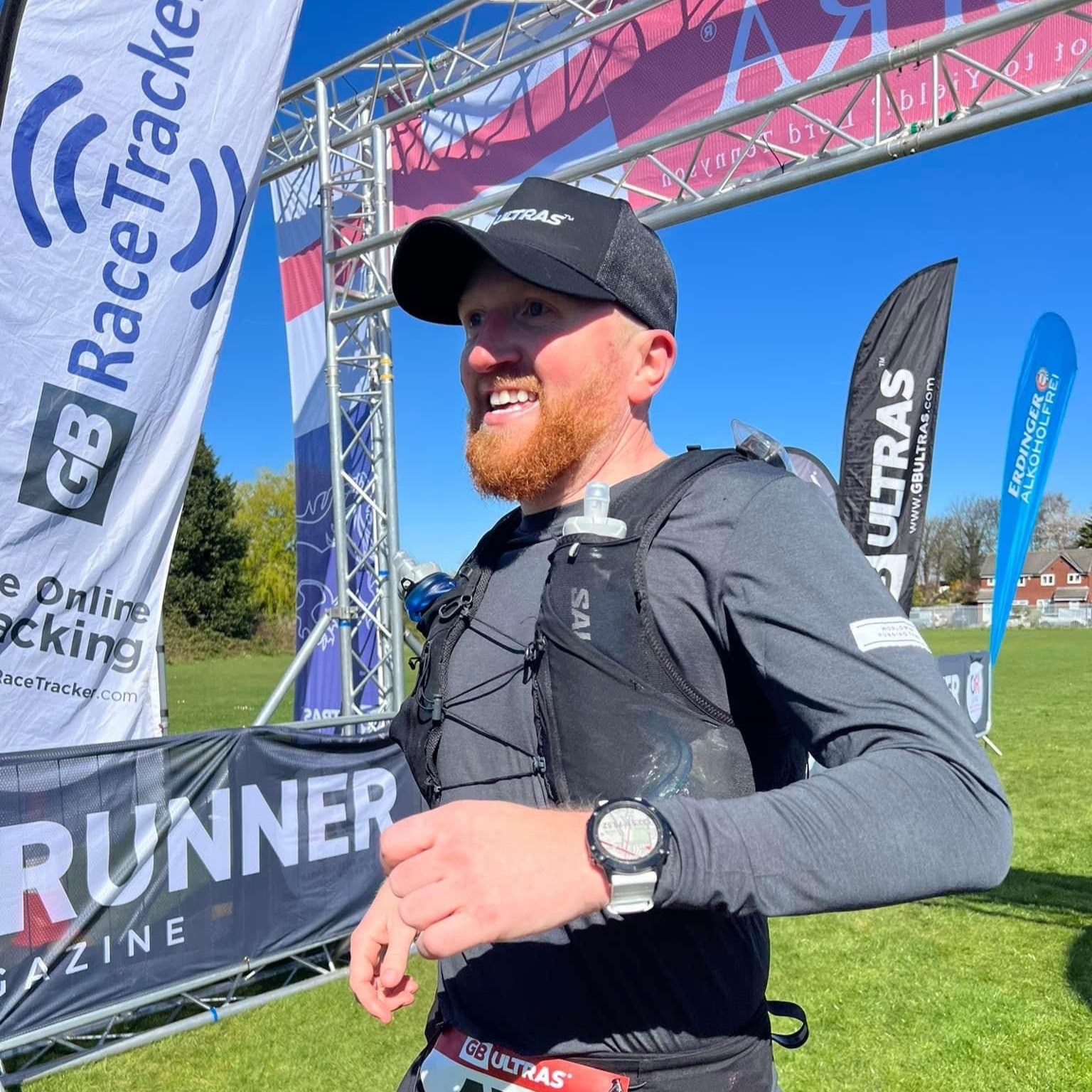
There’s a difference between finishing a 50-mile ultra and actually racing one. Between crawling across the line at some ungodly hour, shoes off, soul temporarily somewhere else, and arriving at that finish line strong, controlled, and quietly proud of how the whole thing went.
I’ve been on both sides of that line.
This post is everything I’ve learned about what it actually takes to not just complete a 50-miler, but to genuinely thrive across it. Training, pacing, nutrition, the mental game, all of it. Not theory. But my hard-earned lessons.
Let’s get into it.
What 50 Miles Actually Asks of You
First, let’s be honest about what you’re signing up for.
Fifty miles is not a long marathon. It’s not a half-hearted ultra. It’s a different event entirely, one that demands a different kind of preparation and a completely different relationship with effort, time, and discomfort.
You will likely be on your feet for eight to fifteen hours, depending on the terrain and your experience. You will hit sections that feel impossible. You will have moments where the finish line seems like something you dreamed up and the trail in front of you is the only real thing in the world.
And it is completely within your reach.
The people who thrive at 50 miles are not superhuman. They’re just better prepared, better trained, better fuelled, and better at managing themselves when things get difficult. That’s what this post is about.
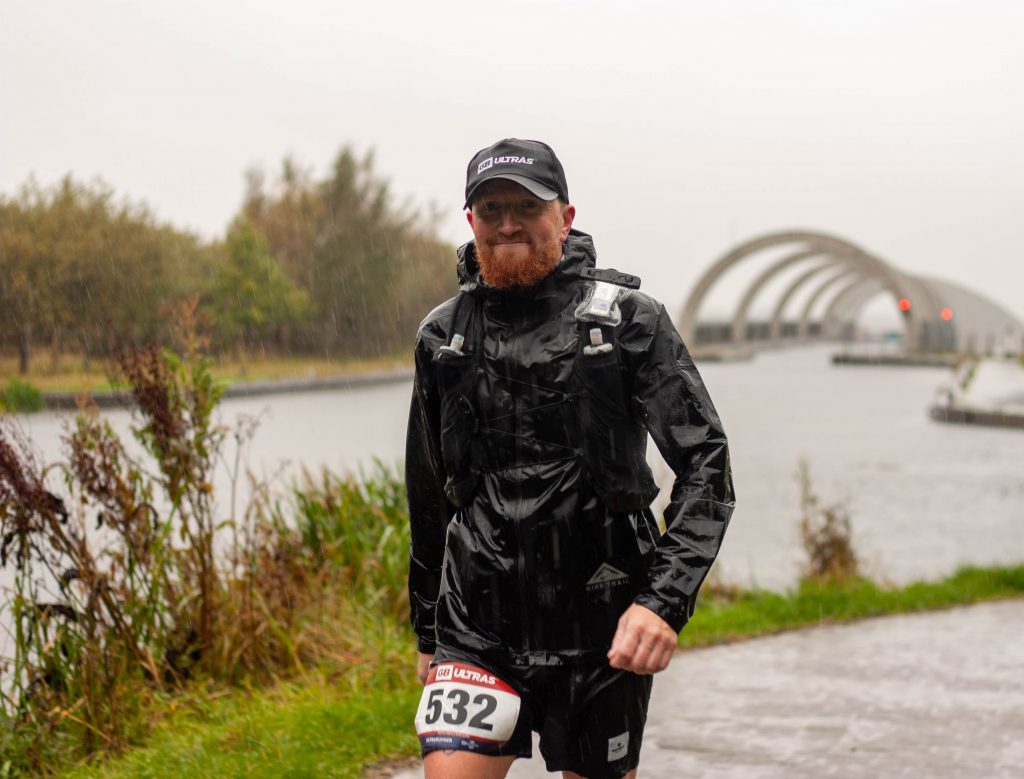
Part 1: The Training That Actually Works
Consistency Is the Whole Game
I say it all the time. And I’ll say it again…
Consistent, manageable training over months beats big training weeks every time.
I’ve seen runners turn up to 50-mile events having done a couple of massive weeks in the build-up and very little else. They usually find out somewhere around mile 30 that the body doesn’t forgive inconsistency just because you’ve made it to the start line.
Everyone has their own sweet spot. But a steady 35–45 mile week, done week after week, builds the aerobic engine, the joint durability, and the mental habit of just getting out and running when you don’t particularly want to. That last part is more valuable than any training plan.
Train consistently. Protect your recovery. Don’t try to cram fitness in at the last minute, it doesn’t work.
Your Long Runs Should Make You Tired, Not Destroyed
You don’t need to run 40 miles in one go, in training to finish 50 miles on race day. What you do need is time on feet, and plenty of it.
Back-to-back long runs are the most underrated training tool in ultra preparation. A solid 20 miles on Saturday followed by 15 on Sunday with heavy legs teaches your body something a single long run never can. How to keep moving when it’s already tired. That Sunday run, when everything feels a bit like wading through concrete, is a closer simulation of the back half of a 50-miler than anything else you’ll do in training.
Get comfortable being uncomfortable on tired legs. Race day will ask for it.
Easy Miles Are Not Wasted Miles
Most of your running should feel easy. Genuinely easy. Not “I could push harder but I’m pacing myself” easy. Actually conversational, relaxed, could-do-this-all-day easy.
You see people say it all the time, but it is actually true! If you can’t hold a conversation while running, you’re going too fast for your easy days.
Run hard when the session calls for it. Run easy the rest of the time. Don’t confuse the two.
Train the Specifics of Your Race
If your 50-miler is hilly, your training needs hills. Not just occasionally, regularly. Your legs need to know how to descend for long periods without breaking down, and your lungs need to know how to handle sustained climbs without blowing up your heart rate.
Race your terrain. Train in your kit. Practise with your race-day nutrition. The more familiar everything is on the day, the less mental energy you spend on logistics, and you’ll need that energy for running.

Part 2: Race Strategy — How to Actually Run the Thing
Start Slower Than Feels Comfortable. Then Slow Down a Little More.
This is the single most important piece of race day advice I can give you.
The amount of 50-mile races lost in the first 15 miles because someone couldn’t resist the adrenaline, the crowd, the easy miles, the feeling that they were flying, it’s staggering.
Here’s what will happen if you go out too fast. Maybe the first 20 miles will feel incredible. Miles 25–35 will start to feel harder than expected. Miles 35–50 will become a survival situation that was entirely preventable. Remember, this is about thriving over the distance.
Here’s what will happen if you hold back. The first 20 miles will feel almost too easy. You’ll wonder if you’re going too slowly. By mile 40, you’ll know exactly why you made the right call.
The runners who finish strong at 50 miles aren’t the ones who ran fastest early. They’re the ones who were still moving properly when everyone else was hanging on.
Break It Into Sections — Never Think About the Full Distance
Fifty miles is a number that can destroy your head if you think about it too long.
So don’t even think about it.
Break the race into checkpoints. Then break each checkpoint into the next mile. You are not running 50 miles. You are running to the next check point station, then the next one, then the next one. The moment you start calculating what you have left is the moment you hand control of your race to your doubts.
Walk Without Shame
Walking is not failure. Walking is racing smart.
Strategic walking, on the climbs, through checkpoints, during low patches, preserves your quads, protects your joints, and keeps you moving forward without burning through reserves you’ll desperately need later.
Pride doesn’t cross the finish line. Patience does.

Part 3: Nutrition — The Race Inside the Race
Ultras aren’t lost on the trails. They’re lost in the stomach.
My Golden Rule: Eat Before You’re Hungry. Drink Before You’re Thirsty.
At ultra distances, the gap between how you feel and how fuelled you actually are can be enormous. You’ll feel completely fine, skip a feeding, and then forty minutes later hit a low that costs you an hour or two to climb out of.
By the time your body signals that it needs fuel, you’re already behind. You’re not fuelling for now. You’re fuelling for mile 35. For mile 42. For the version of yourself that still needs to finish strong.
Eat something at every single checkpoint. No exceptions. Even when you don’t feel like it, especially when you don’t feel like it.
Real Food Is Your Friend
There’s a temptation to over-engineer ultra nutrition. Precise ratios, complex protocols, products for every eventuality. And while performance nutrition has its place, Precision Fuel & Hydration gels and chews on the move are brilliant tools, never underestimate the power of proper food.
A cheese sandwich at mile 30 is not just fuel. It’s a reset. It’s familiar, it’s comforting, and it signals to your brain that everything is manageable. Bananas, crisps, oranges, sandwiches, Pot Noodles, even pasties, definitely something hot if the race provides it, trust me, these things work.
My approach, PF&H performance nutrition while moving, real food at the checkpoints. Gels for the effort, food for the reset. The combination works better than either alone.
Salt Is Not Optional
After several hours of running, even in cooler conditions, your sodium levels will drop. And when they do, the effects are real, cramping, nausea, energy crashes that feel completely out of proportion to how the running is going. Crisps, pretzels, anything salty at checkpoints, get into them. Salt is not a guilty pleasure in an ultra. It’s a performance tool.
Liquid Calories Are Underused
When your stomach starts to close up in the later miles, your gut will handle liquids far better than solids. Milkshakes, Coca-Cola, sports drinks with real caloric content. Liquid calories in the later stages of a 50-miler can be race-saving. Keep them in your arsenal.
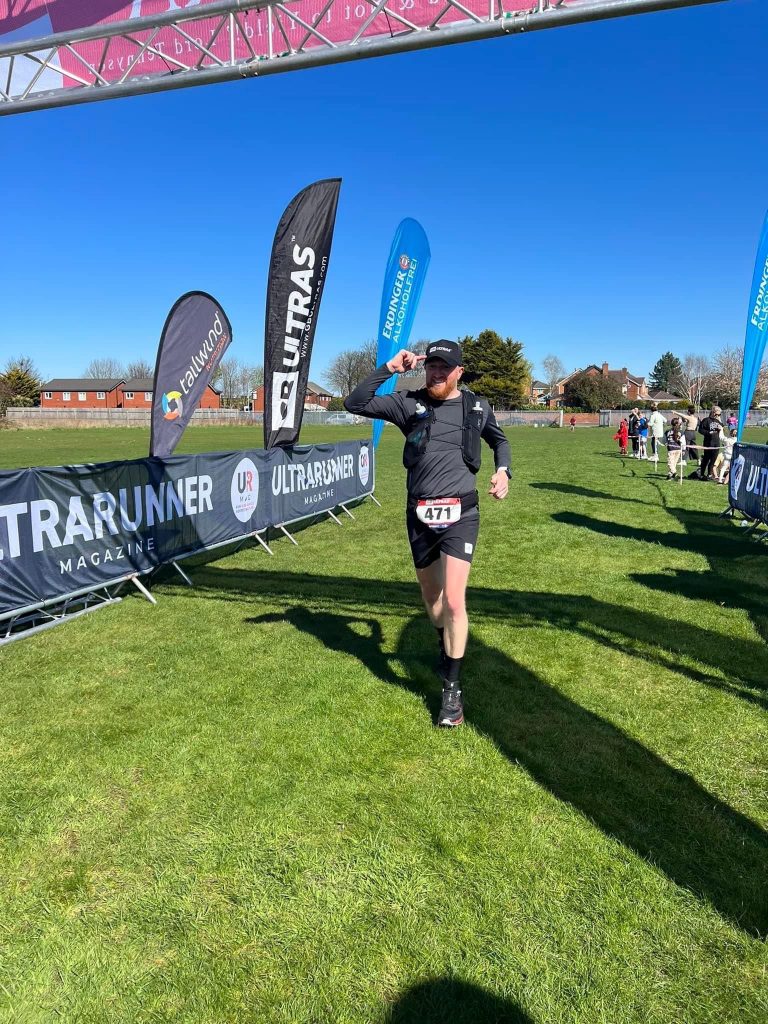
Part 4: The Mental Game — Where 50 Miles Is Actually Decided
Everything above matters. The training, the pacing, the nutrition, all of it is important.
But here’s the truth. 50 miles is primarily a mental event. Your body is capable of far more than it will tell you in the hard moments. The question is whether your mind is prepared to keep going when every signal is telling you to stop.
The Low Will Come. That’s Normal. That’s the Race.
In every ultra I’ve run, there has been many low points. A patch that lasted anywhere from twenty minutes to a couple of hours where the finish seemed like a fantasy and quitting seemed completely reasonable.
That patch does not mean you should stop. It means you’re in an ultra.
The runners who thrive at 50 miles are not the ones who never hit a low. They’re the ones who expected it, knew it was temporary, and kept moving through it. Suffering in a 50-miler is not a sign something has gone wrong. Suffering is the race. It is supposed to feel like this sometimes.
Have Your Mantras Ready Before the Start Line
When your brain starts building the case for quitting, and it will, at some point, construct a very convincing argument, you need something to come back to. A simple phrase, personal and true, that cuts through the noise.
Mine is: Focus on the process and the outcome will be inevitable.
Find yours before race day. Write it on your hand if you need to. You’ll be glad it’s there.
Embrace the Uncomfortable Stretches
The runners who truly thrive in ultra running are the ones who have developed a comfortable relationship with discomfort. Every hard mile is building something. Resilience, confidence, the knowledge that you can keep going when the easy option is to stop. The person who finishes a 50-mile ultra is a different version of themselves than the one who stood on the start line. More certain of their own limits, and more certain of how far beyond them they can actually go.
Part 5: The Practical Stuff You Can’t Ignore
Shoes. Get This Right Above Everything Else
Your race shoes should be shoes you’ve spent real, serious miles in. Not worn twice. Extensively, properly trained in, so you know exactly how they feel at hour eight when your feet have swollen a size and the trail surface has changed three times. Get the fit right. Get the cushion right for your terrain. Then race in shoes you trust.
Socks Matter More Than You Think
Fresh socks at the halfway checkpoint of a 50-miler is a minor miracle. If your race has drop bag access, throw an extra pair in. The reset of dry, clean socks on mile 30 is out of proportion to how small a thing it seems. Dry feet are happy feet. Happy feet run further.
Kit Check. Don’t Be That Person
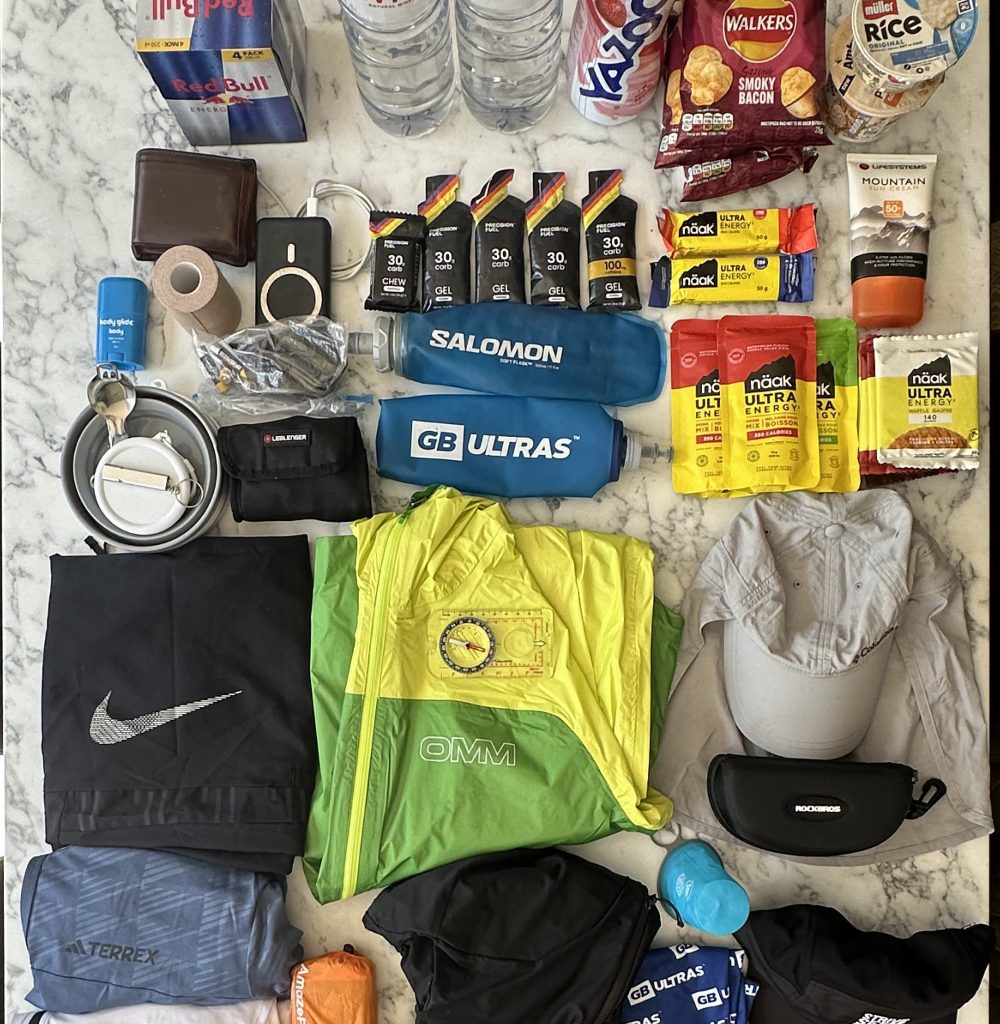
Most 50-mile ultras have mandatory kit requirements, waterproof jacket, foil blanket, whistle, phone, and more. Read the list. Check everything the night before. Your mandatory kit isn’t just admin, it’s the difference between a difficult patch and a genuine emergency if conditions turn.
Headtorch. Charged, Tested, With a Backup
If your 50-miler starts early or runs long into the evening, which plenty do, your headtorch matters. Fully charged the night before. Tested. Spare batteries or a backup torch in your vest. Running in the dark with a dying headtorch is deeply stressful in a way that burns energy you can’t afford to lose.
The Finish Line
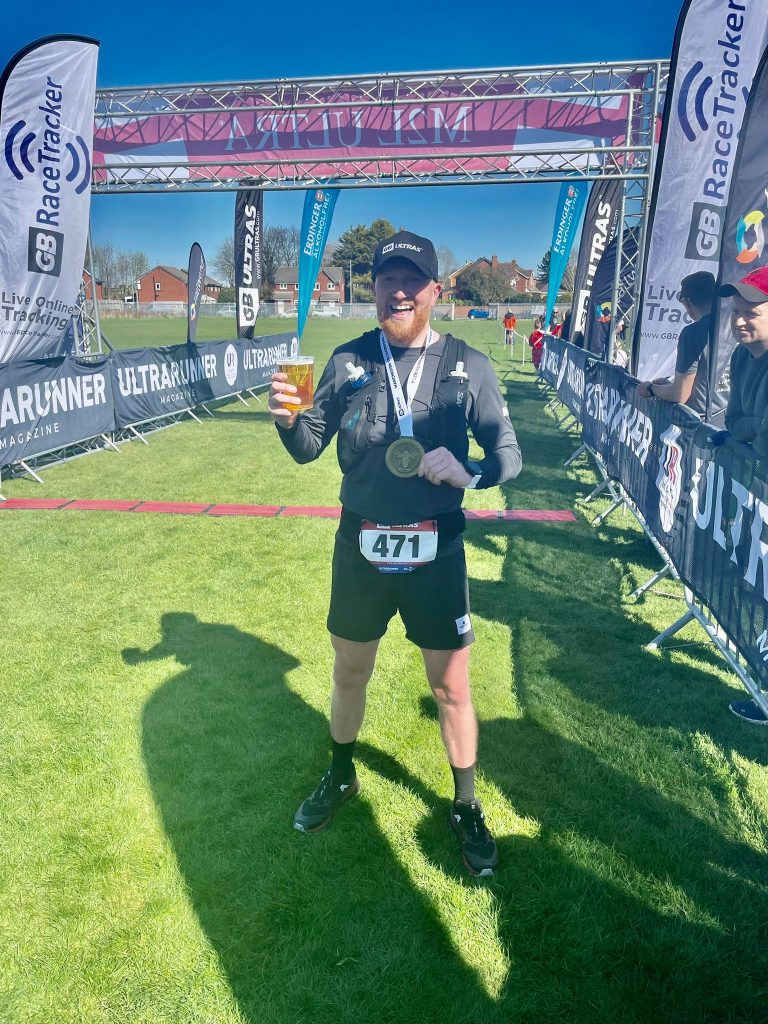
Here’s the thing about finishing a 50-miler when you’ve genuinely prepared for it and raced it well, it feels different.
Not just relieved. Not just glad it’s over. Actually proud. Actually certain that you gave the race what it deserved and it gave you something back.
You won’t look like a film character crossing the line. You might be limping. You might be crying. You might be doing both simultaneously while eating a crisp. None of that matters.
What matters is that you showed up. You stayed consistent in training when it was boring. You paced yourself when every instinct said to push. You kept eating when you didn’t feel like it. You moved through the low when it came.
That’s not just a race result. That’s a different version of yourself.
Fifty miles is not the limit of what you can do. It’s the starting point of finding out what you’re made of.
Get on the start line. Keep moving forward in Pursuit of the Impossible.
If your thinking of taking on a 50 miler next, take a look at the GB Ultras race calendar. Organised events, great community and all round great events.