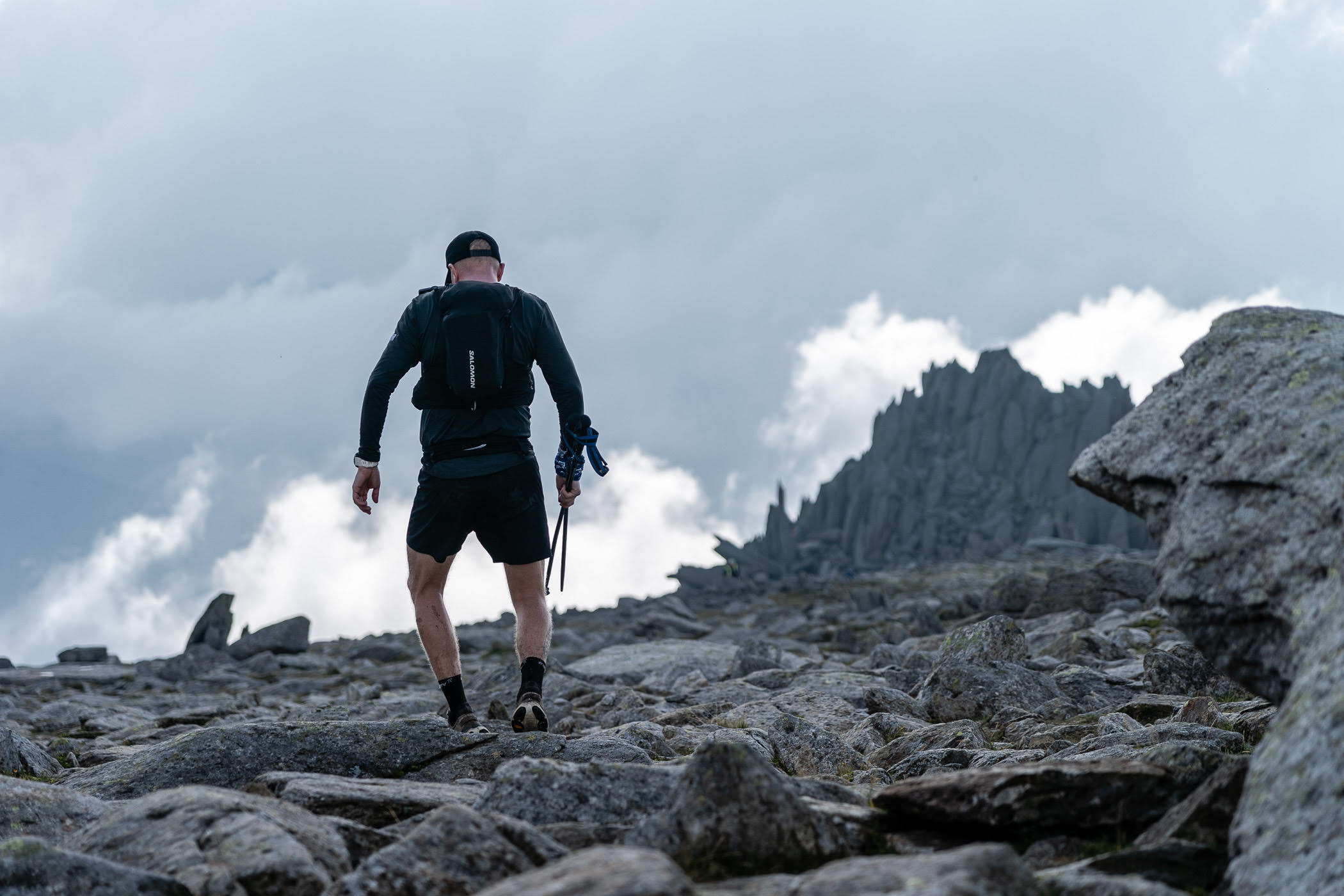

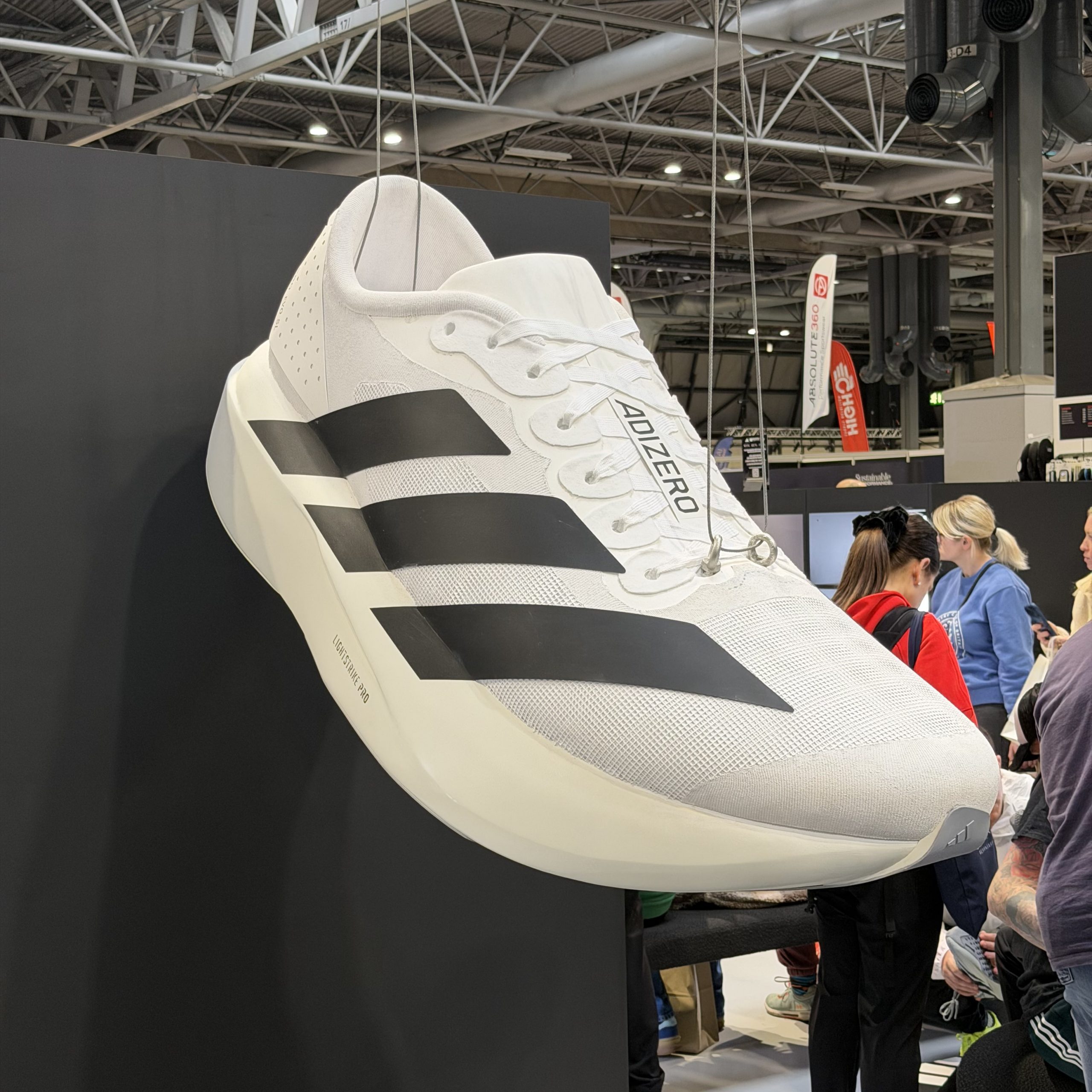
Let me ask you a question. When was the last time you saw someone post their marathon finish time without also tagging what shoes they wore, the gels they used, their watch, and their matching kit? Yeah. Me neither.
There’s something shifting in the running world, and if you’ve been around long enough, lining up at 6am starts, running through the night on 100-milers, tagging your mates in group selfies, you can feel it. Running is evolving. Whether that’s a good thing or not? That’s what I want to talk about.
The Hybrid Athlete Movement: Performance or Branding?
Before I talk running specifically, let’s look at what’s happened with the hybrid athlete movement.
A few years ago, the hybrid athlete was a niche concept. Someone who ran marathons and lifted heavy. An oddity. Now? It’s one of the fastest-growing fitness trends on social media.
But here’s the thing. Watch the content that gets put out there. Really watch it. Half of it isn’t even about training. It’s about the aesthetic of training. The pre-workout laid out on the counter. The matching clothes. The “day in the life” vlog where the actual running is almost secondary to the personal brand being built around it.
Creators like Nick Bare have turned hybrid training into multimillion-pound businesses, not primarily by being great athletes, but by being great content creators who happen to be athletes. The performance is real. But the branding? That’s the product.
So, I question myself. Is running heading the same way?
Running as Identity, Not Just Exercise
If you research the data, I’m not going to put it in this post, but in summary here’s what the data is telling us right now.
Global run club memberships have surged since 2024. There’s also a massive increase in running clubs. Strava users have gone through the roof.
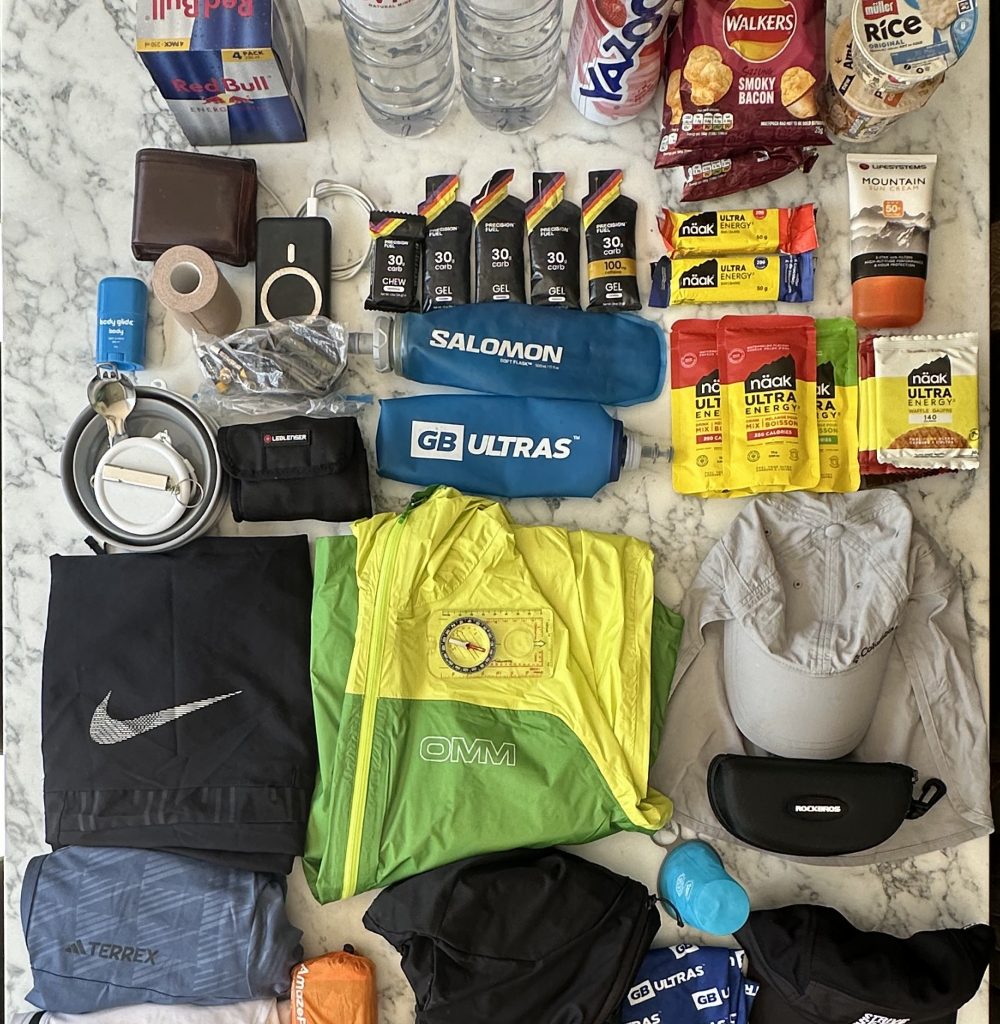
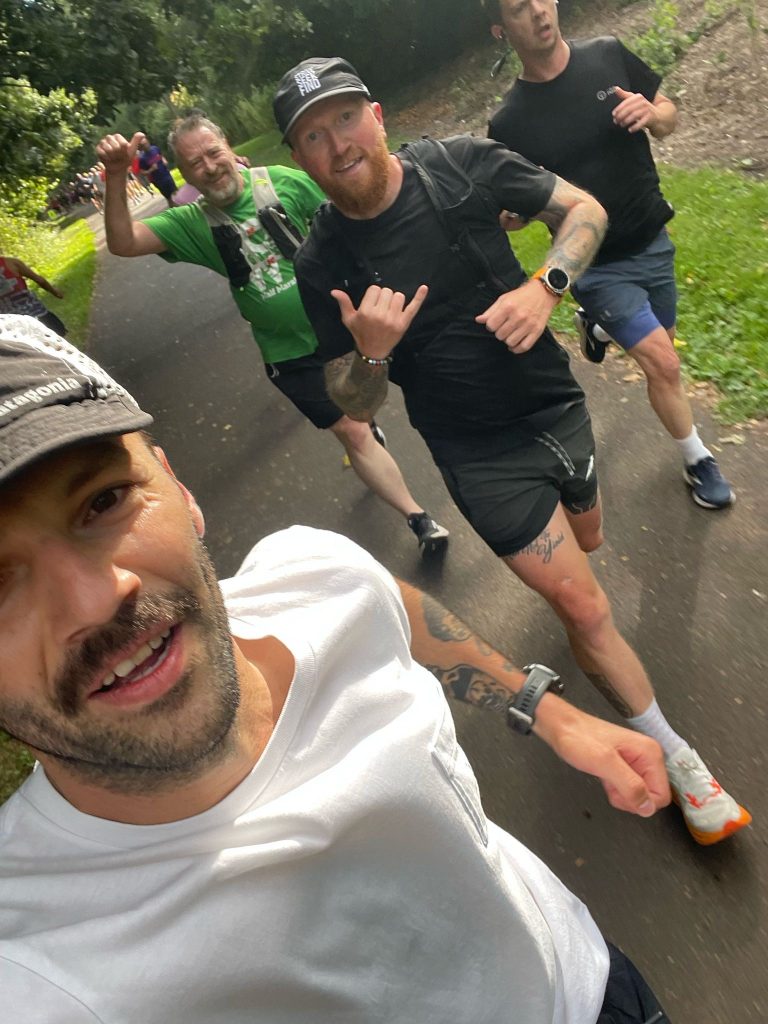
But scroll through TikTok or Instagram and you’ll see what’s actually driving this. The post-run coffee is as integral to the content as the route itself. Run clubs have become about part style, part wellness, part content. The kit matters. The café matters. The aesthetic matters. I’m part of the stats myself.
Running is quick becoming, not just a sport. But a social scene, or an identity badge.
Is This a Bad Thing? (Honest Take)
I’ll be straight with you, some of it irritates me, just a little. I’ve done multiple ultramarathons now. Races through the night, even multi nights. Dragging my painful body through checkpoints at 3am feeling sorry for myself. That definitely isn’t a lifestyle brand. That’s suffering. There’s no aesthetic to it. There’s sick on your shoes and bad decisions made at mile 88 and the kind of ugly gratitude that makes you cry in a car park at sunrise.
That version of running has absolutely nothing to do with what’s trending on TikTok.
But here’s the honest counterpoint. The explosion of run culture is bringing more people to running than ever before. If someone starts running because it looks cool on Instagram, and ends up genuinely falling in love with it, completing their first 5K, their first half, their first ultra, does it matter why they started?
I don’t think it does.
The worry isn’t that people are joining run clubs for the vibes. The worry is when the branding replaces the performance. When the aesthetic becomes the point. When running becomes secondary rather than a discipline you pursue.
Where Ultra Running Sits In All Of This
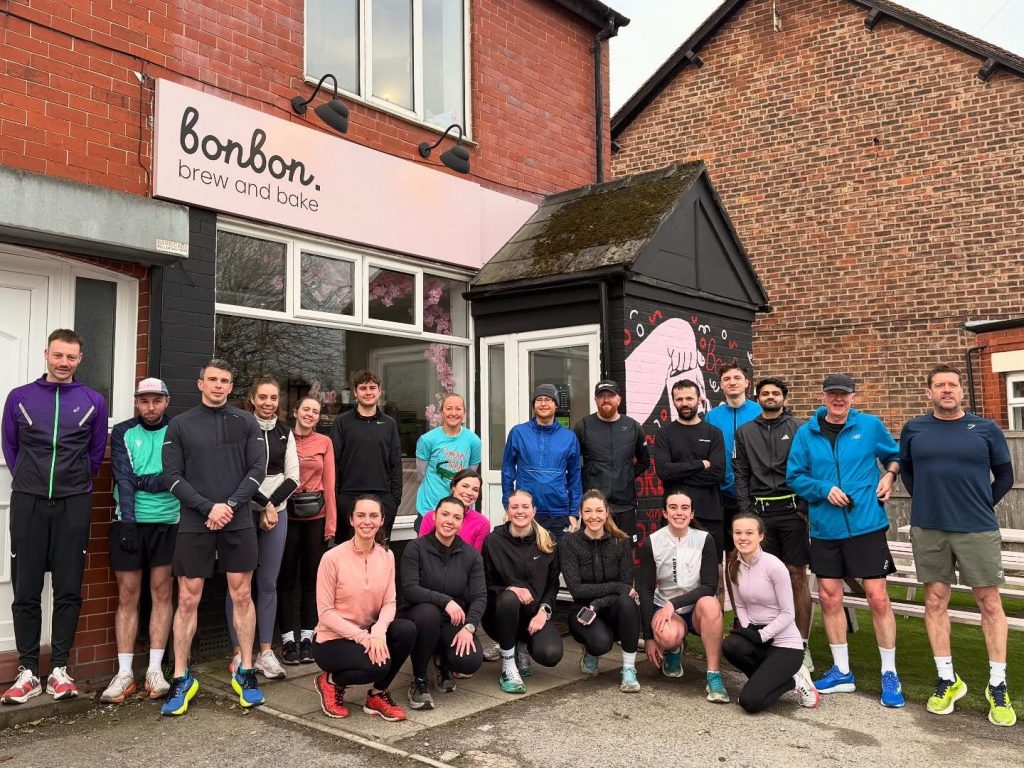
Ultra running is not immune to this shift. The kit has got smarter, more expensive, more Instagrammable. The nutrition brands are everywhere, and yes, I’ll hold my hand up as a GB Ultras ambassador and someone who genuinely rates Precision Fuel & Hydration, because at mile 80+ the gels are doing actual work, not just looking good in a flat lay.
But there’s a difference between kit that performs and kit that performs for the camera.
The ultra community has, so far, done a reasonable job of keeping performance at the centre. You can’t fake a 100-mile finish. The suffering is non-negotiable. No amount of aesthetic content makes the cutoffs care about your follower count.
That self-selecting brutality is, I think, what keeps the soul of ultra running intact. If you’re not prepared to do the work, the distance finds you out. Every single time.
The Bigger Trend: Wellness as Social Currency
What I think is really happening, and this is bigger than running, is that wellness has become a form of social currency.
Showing up consistently, training hard, eating well, investing in your body. These things signal discipline, self-respect, and identity in a way that careers or possessions no longer do. Especially for younger generations navigating a world that feels increasingly unstable.
Running fits perfectly into that cultural moment. It’s accessible. It’s visual. It’s trackable. It’s shareable. Strava routes, race medals, it’s built for social media in a way that, say, powerlifting or rowing for example, simply isn’t.
Running didn’t start this trend. But it’s become one of its biggest beneficiaries.
So What Does This Mean For You?
If you’re a runner, none of this changes what happens when you step out the door and press start on your Garmin. The road doesn’t care if you’ve got 10,000 followers. The trail doesn’t care about your kit sponsor.
But it’s worth being intentional about why you run. Because the more running gets absorbed into lifestyle branding, the easier it is to confuse the signal for the thing itself. To care more about documenting the run than doing it. To optimise the caption before you’ve even processed the run.
I’ve been guilty of it before. We all have.
The pursuit of the impossible, whatever your impossible looks like, that has to stay the point. Not the brand around it.
Final Thought
Running is becoming a lifestyle brand. That’s just true. And honestly, it’s probably bringing more people into the sport than any campaign or charity initiative ever could.
But the best runs I’ve ever had weren’t Instagrammable. They were ugly and painful and done in the dark with people who showed up for me. The Race Across Scotland 215 at mile 190 isn’t a brand moment. It’s a human one.
Keep both things in mind. Enjoy the community. Enjoy the kit. Build the content if that’s your thing.
But don’t forget why you started running in the first place. For most of us? It wasn’t the aesthetic.